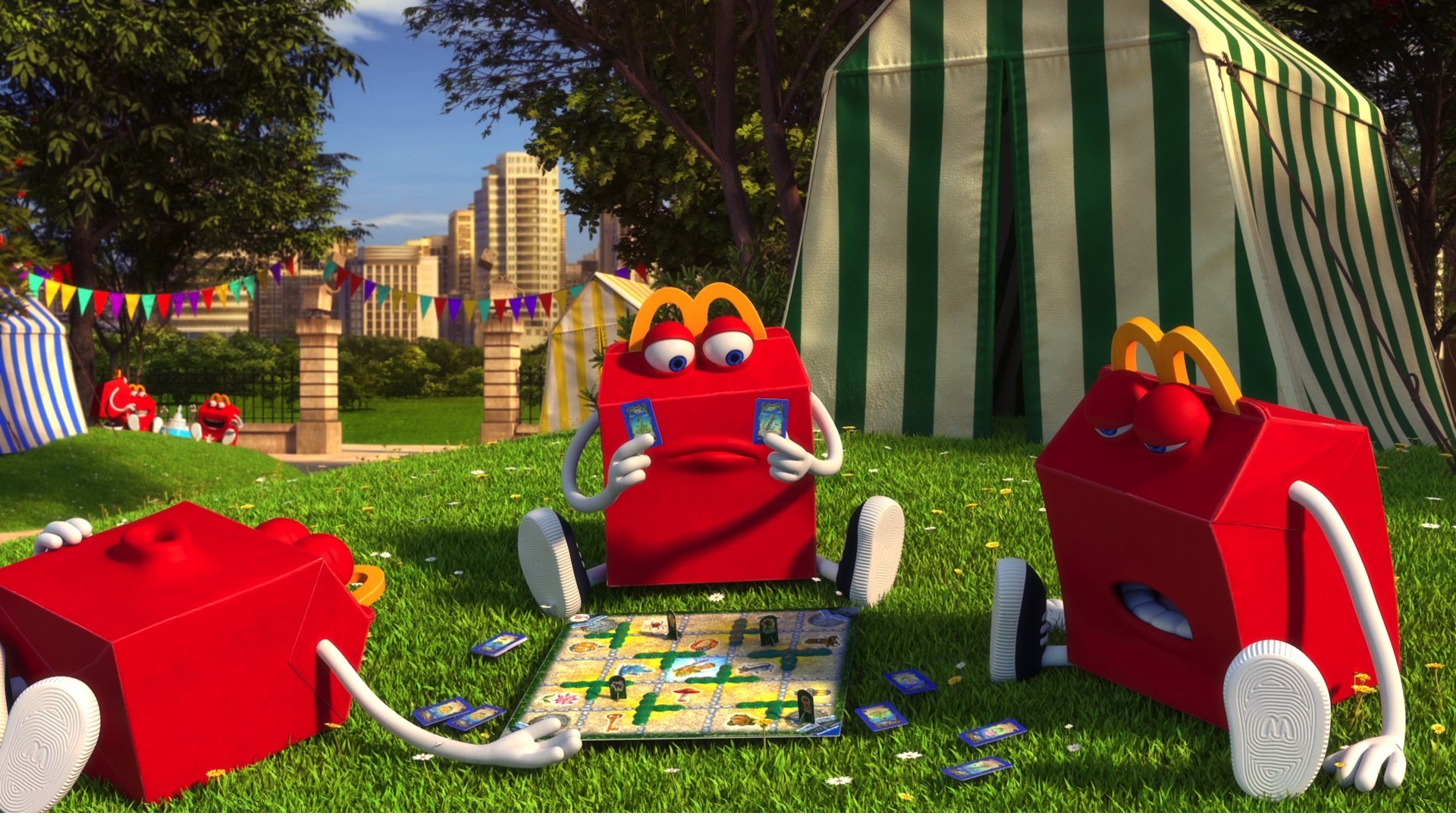
McDonald’s / Happy Meal
McDonald’s Happy Meal, Ten Years
Character AnimationLong PartnershipKids
McDonald’s / Happy Meal
Overview
Ten years of Happy Meal films made in the same building: a cast of characters carried from campaign to campaign, worlds built and rebuilt, and a house style consistent enough that a child recognises it before the logo lands. Two hundred deliveries across Europe, LATAM, Asia Pacific and MEA: films, market adaptations and packshots. This reel gathers the decade, with a making-of that shows the pipeline behind it.
The reel
The scale
Counted across the run for McDonald’s and TBWA: the films, the market adaptations behind each one, and the packshots. Artist count from the campaign crew list.
200
spots, adaptations and packshots delivered
10
years with McDonald’s and TBWA
4
regions served: Europe, LATAM, Asia Pacific, MEA
98
artists credited on the campaign
How it works
It started as a favour. Passion Pictures invited LOBO in to help on an opening, and the collaboration went well enough, helped along by a Brazilian law, that LOBO ended up carrying the whole thing.
A Happy Meal film is a licensing puzzle before it is an animation job. Every campaign arrives with a studio attached: Sony, DreamWorks, Illumination, Real FX, Animal Logic, and roughly three months between the global client, the regional clients, the agency, the licensor and that studio.
Brazilian law settles the rest. Under Ancine rules, the overwhelming majority of a spot airing in Brazil has to be made in Brazil, so LOBO rarely inherits finished assets. The characters get rebuilt: modelled, rigged, textured and lit in São Paulo until they hold up next to the film they came from.
The Emoji campaign went furthest. LOBO rebuilt and rigged the character outright, blend shapes and all, and ended up making the licensor’s social assets too, because the Smurfs spot had already proved the match would hold.
Then every film multiplies: market adaptations, language versions, and packshots for each one. That is how ten years becomes two hundred deliveries.
Agency
TBWA Paris
Came in through
Passion Pictures
Markets
Europe, LATAM, Asia Pacific, MEA
Alongside
Sony, DreamWorks, Illumination, Real FX, Animal Logic
Turnaround
About three months per campaign
The worlds
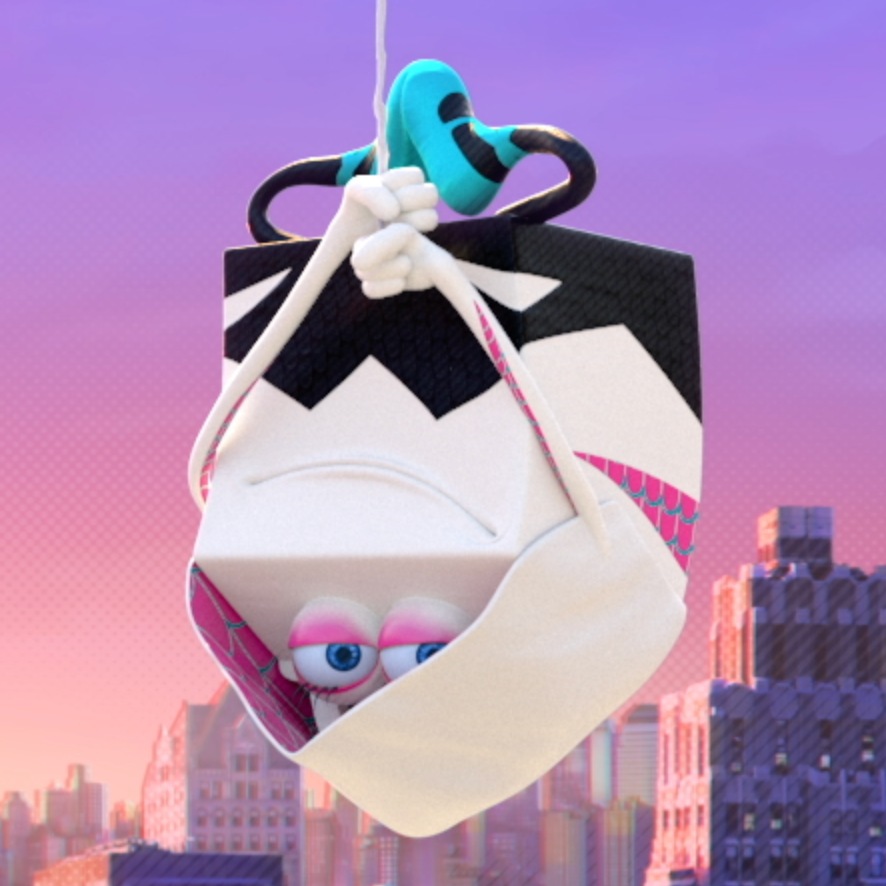
Spider-Verse is halftone and neon. Ninjago is lacquer and paper. Smurfs is soft daylight in a forest. The box is the only constant, and it has to belong in every one of them.
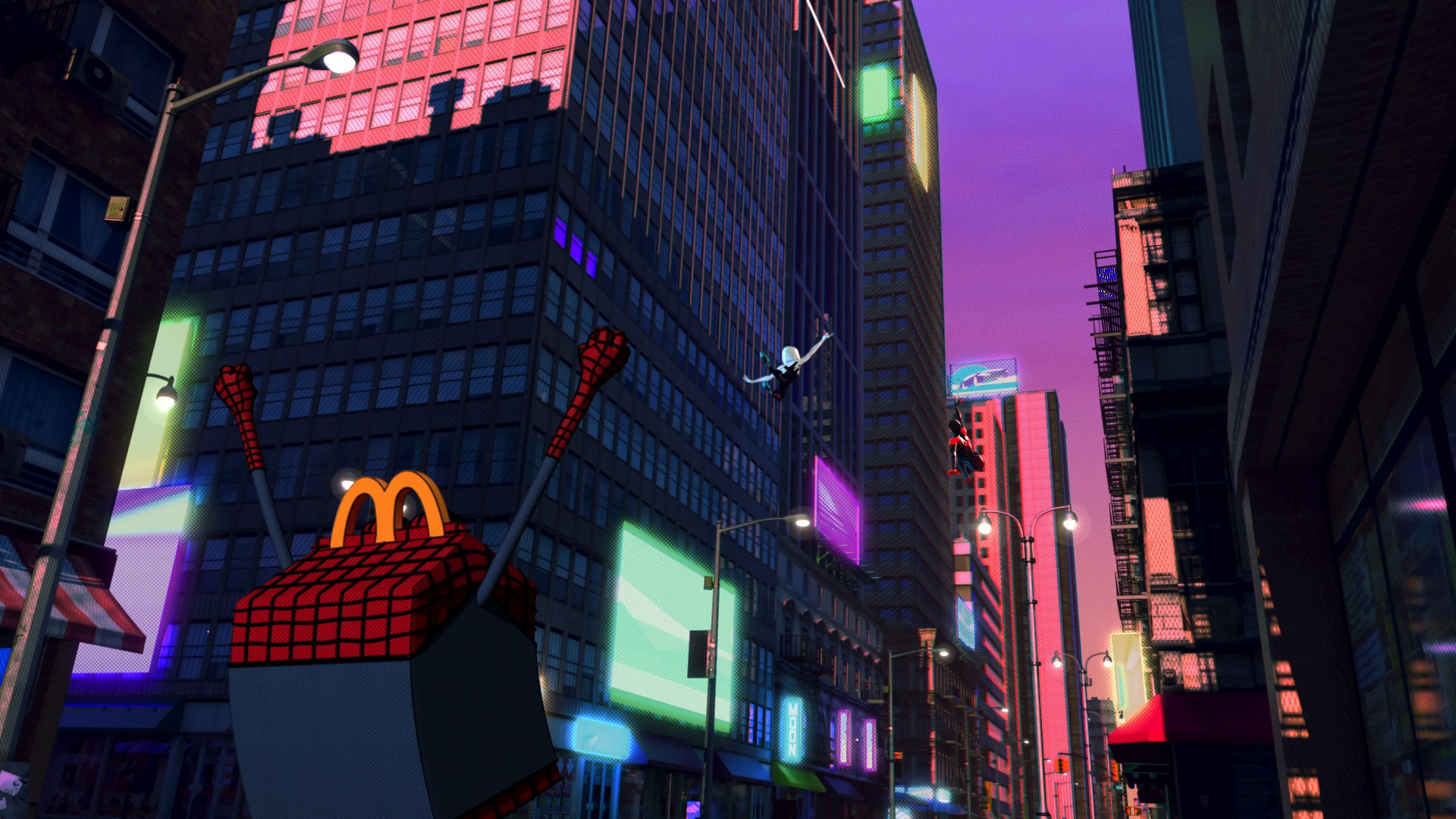
Spider-Verse: the licence’s own grammar, rebuilt in São Paulo
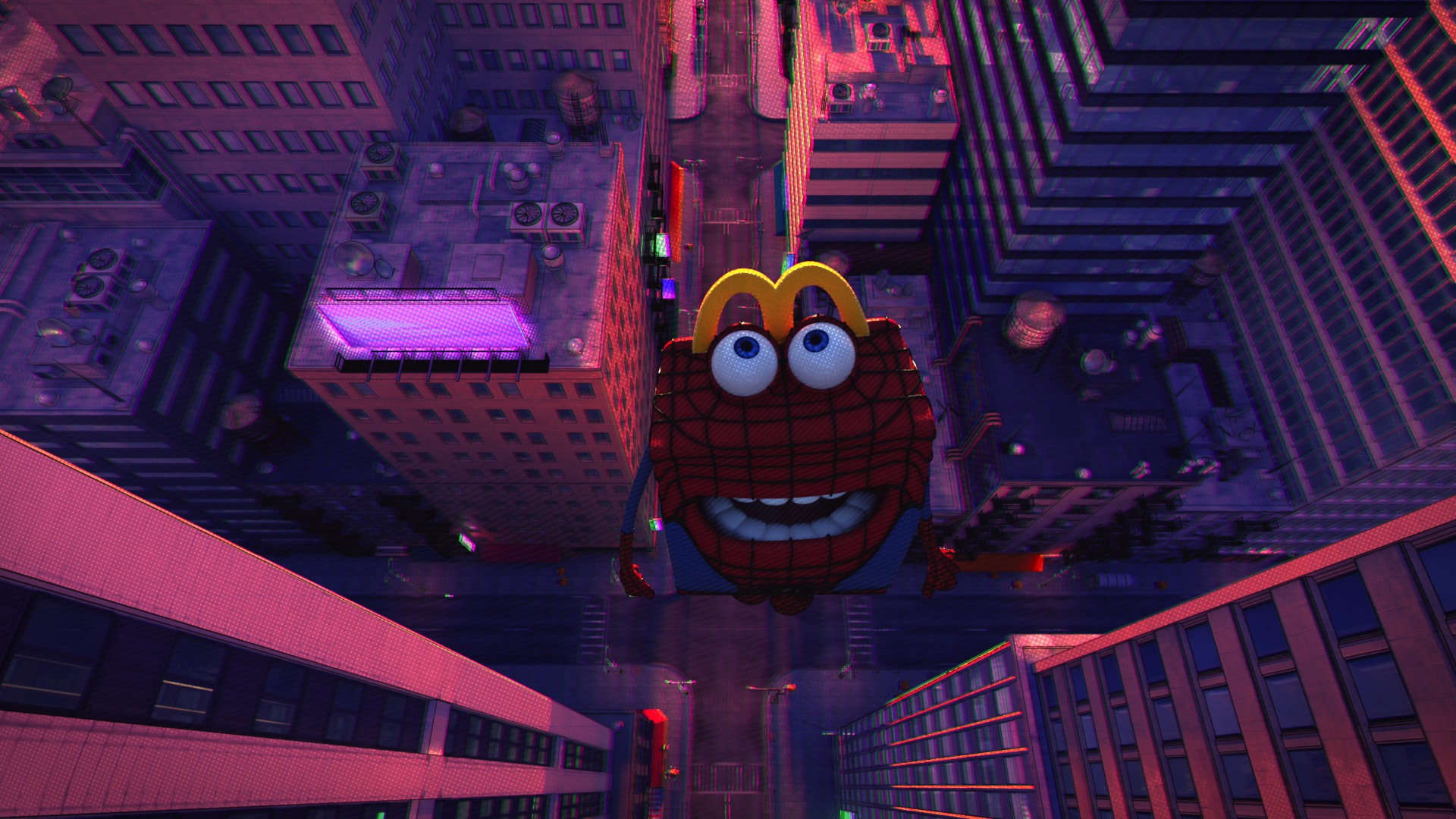
A box that swings
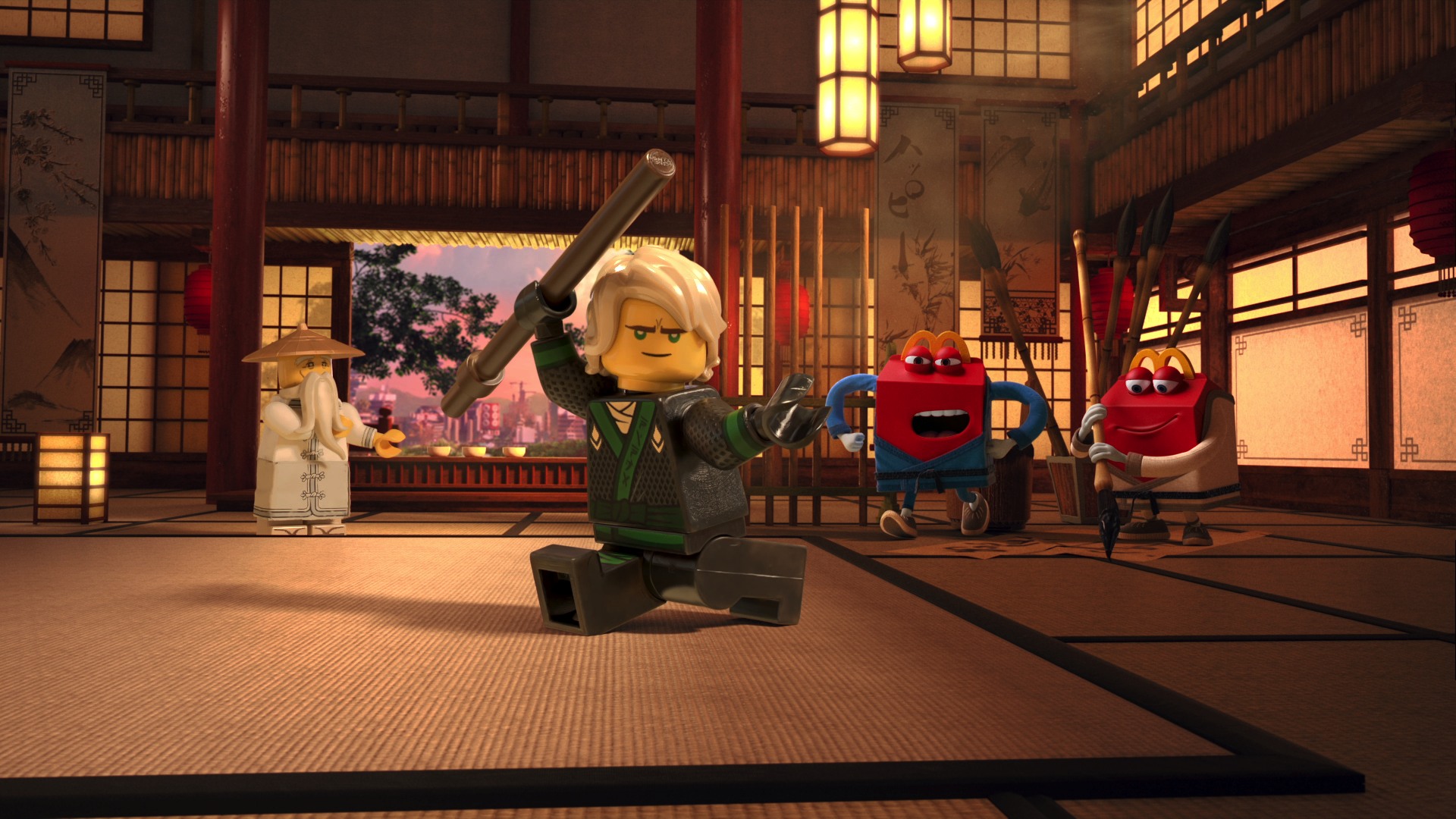
LEGO Ninjago, in the dojo
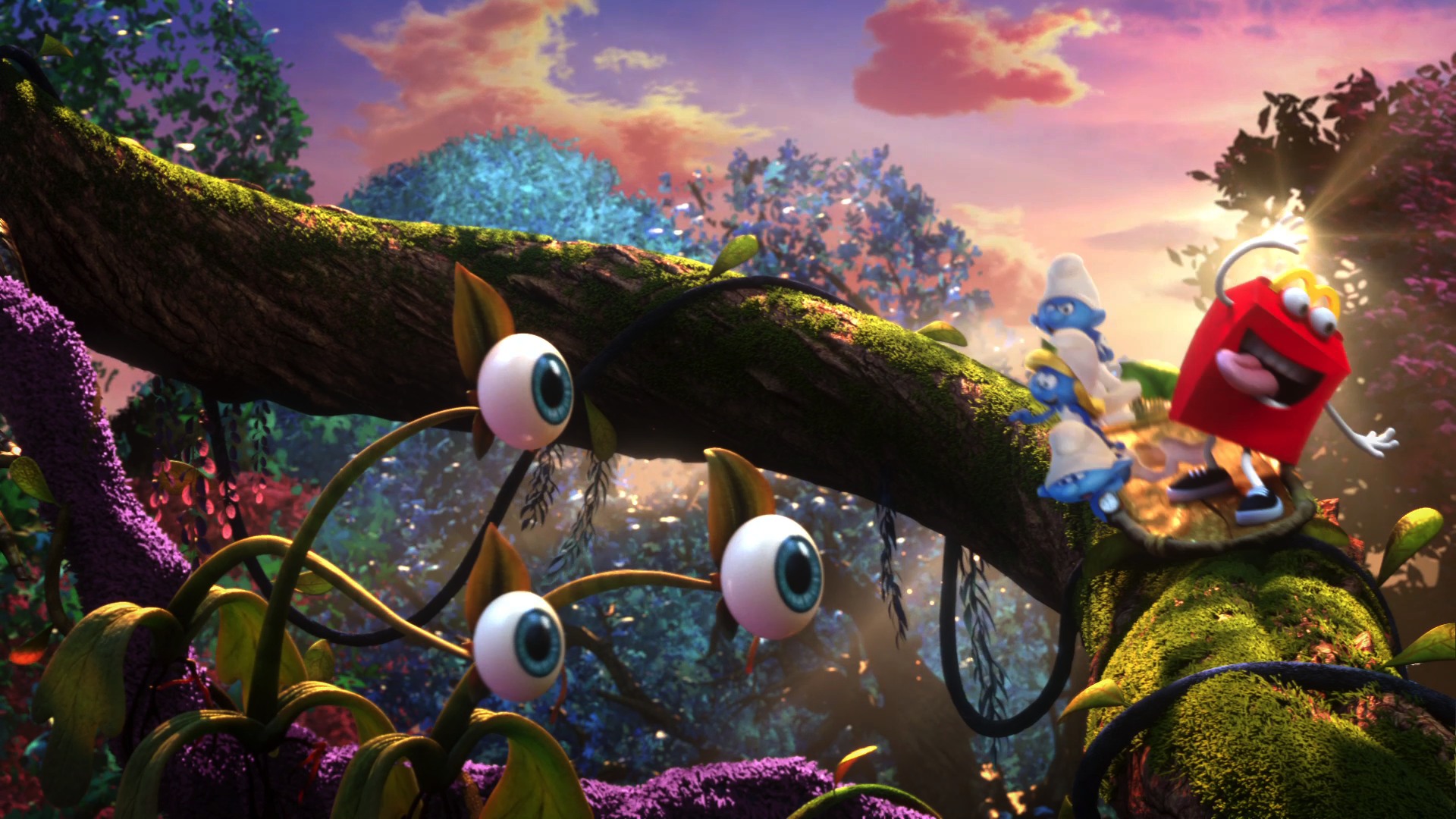
Get Smurfy, in the forest
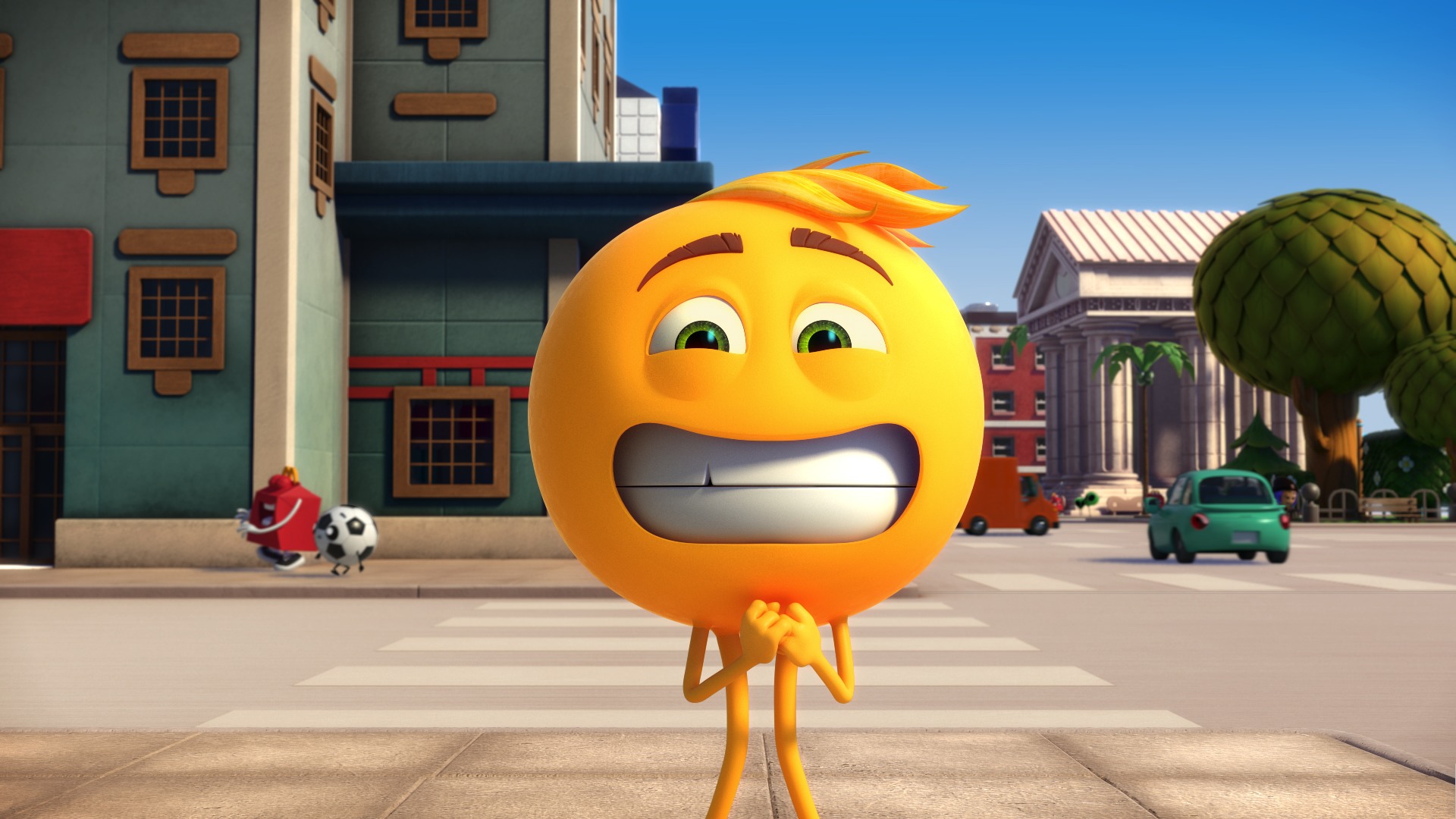
Emoji: the character LOBO rebuilt from scratch
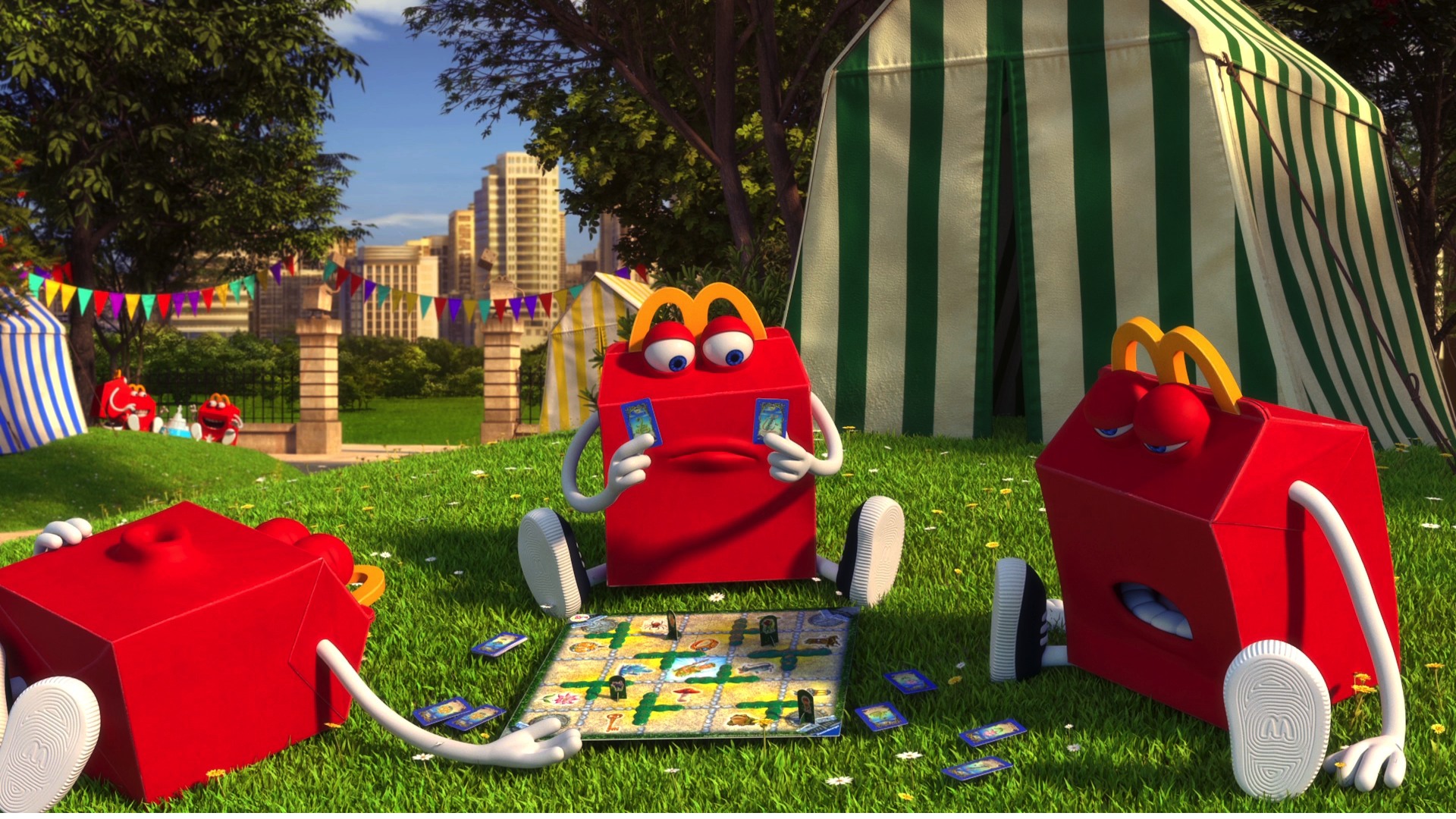
LEGO, on the grass
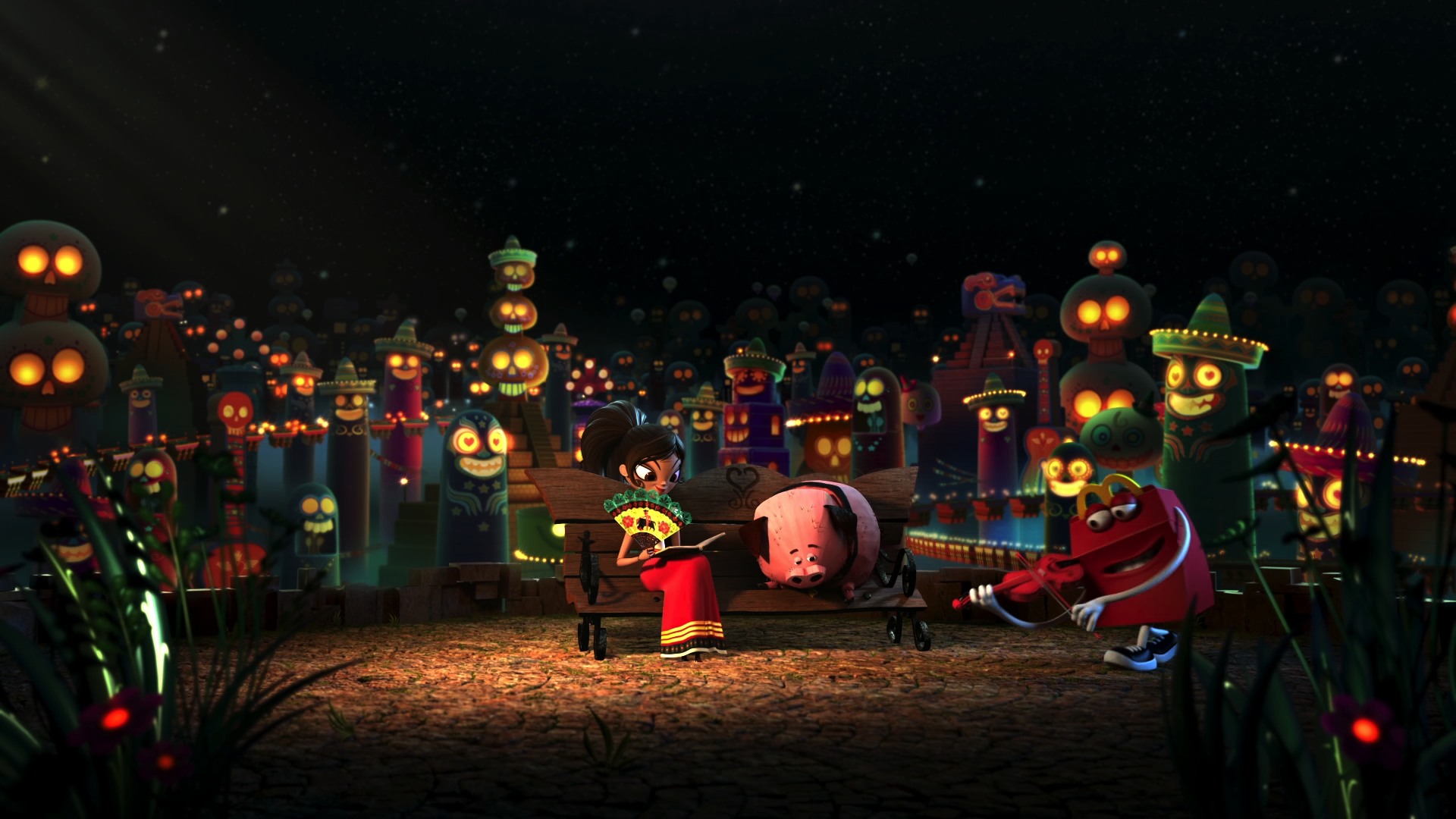
A village of lanterns
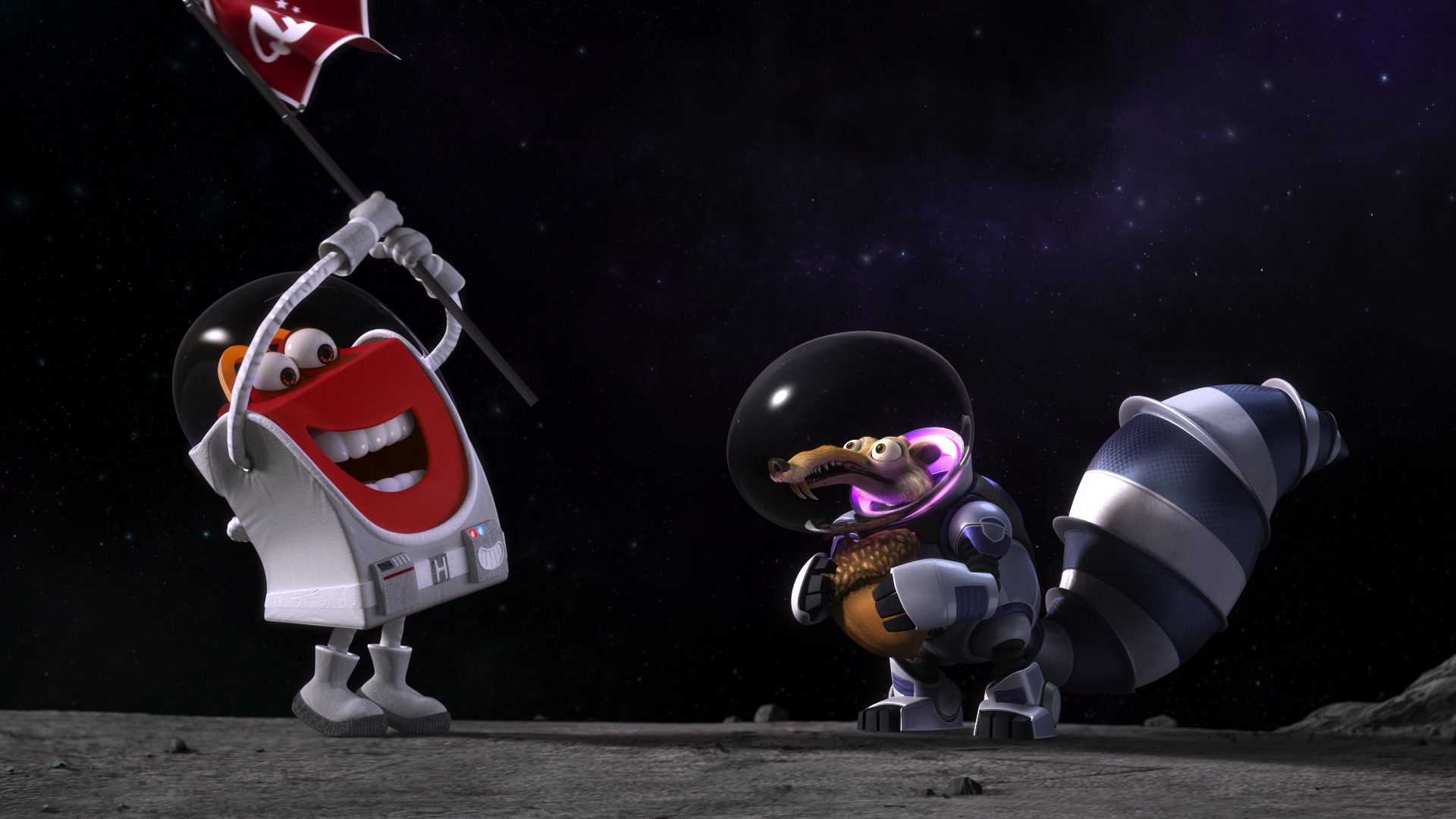
Peanuts, on the moon
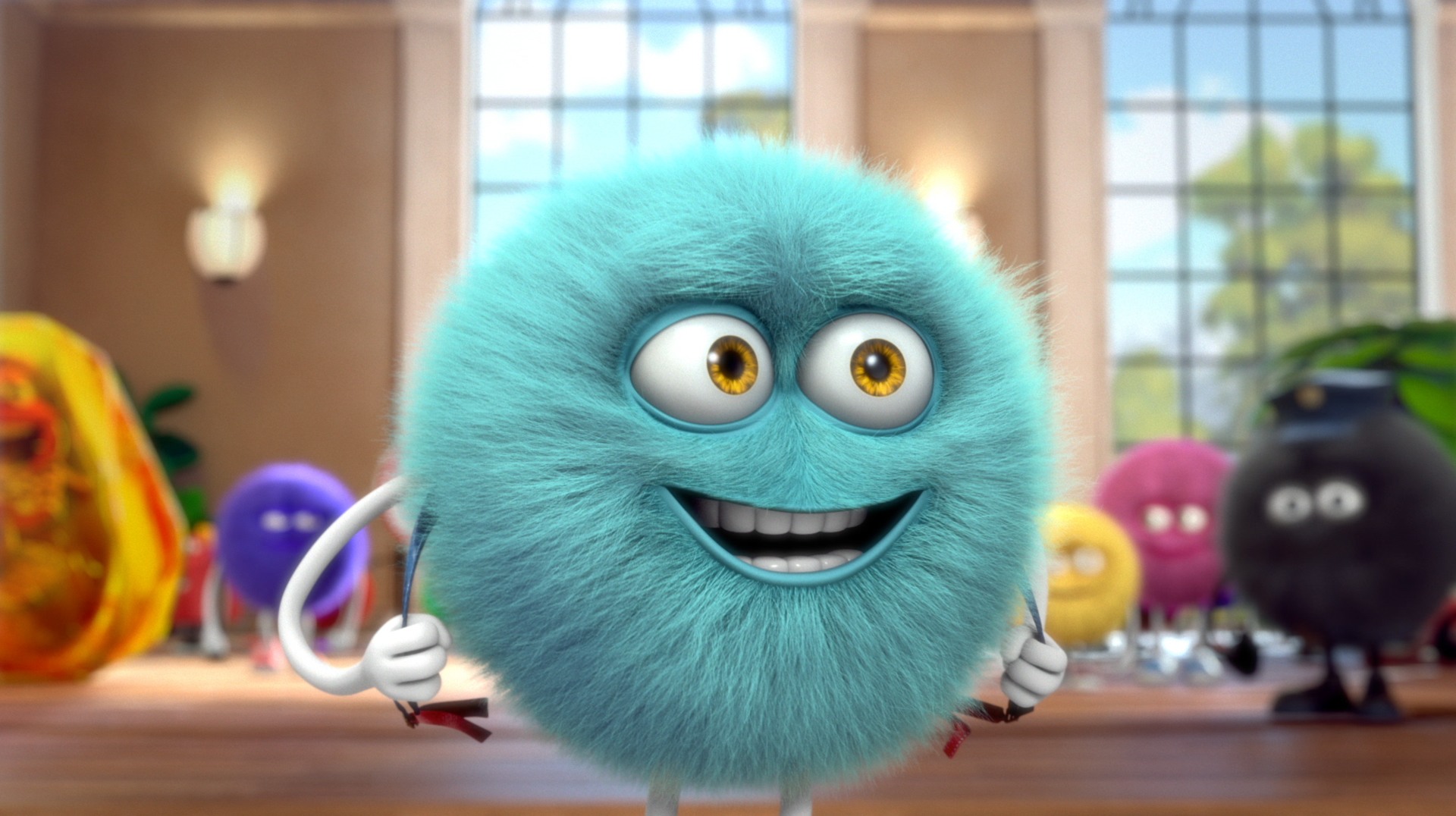
Fur, tested against nothing else
The packshots
A Happy Meal film ends on the toys, and the toys change by market: the promotion running in Germany is not the one running in Asia Pacific or LATAM. Each line-up is modelled, lit and rendered on its own. The same fifteen seconds, re-ended as many times as there are markets. It is the quiet half of two hundred deliveries.
The packshot reel: line-up after line-up, market after market
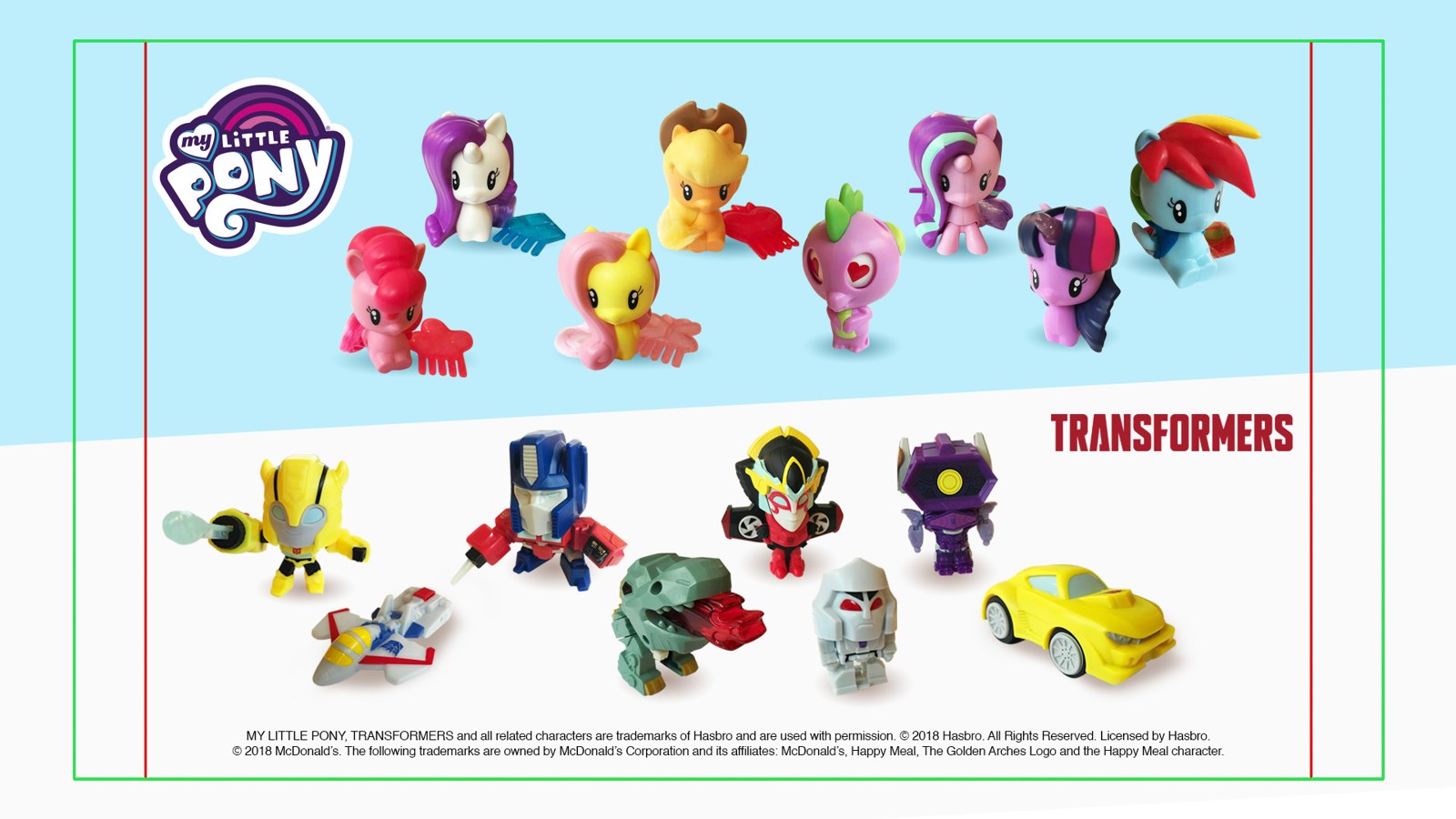
Europe
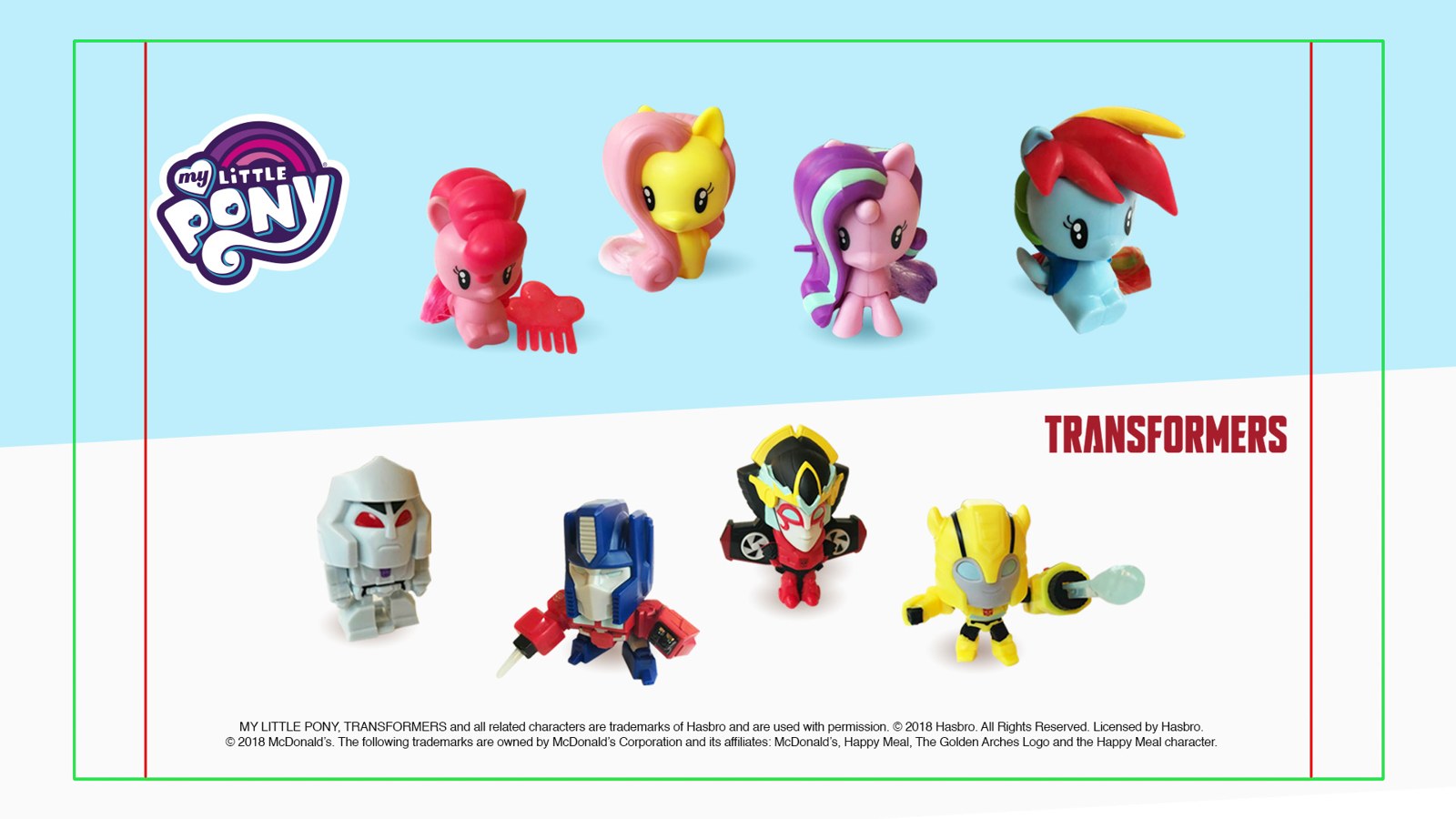
Asia Pacific
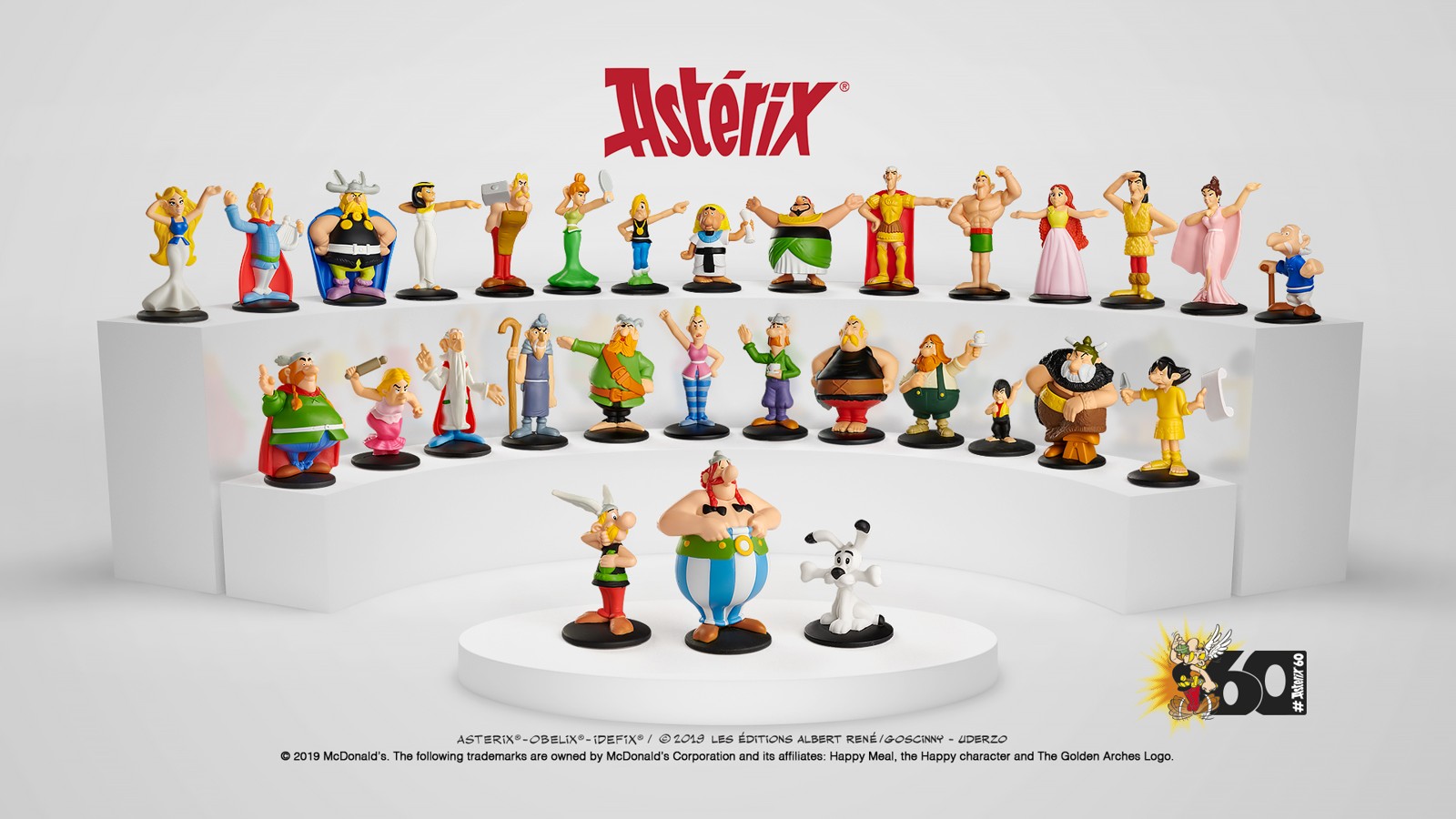
Germany & Austria, Asterix
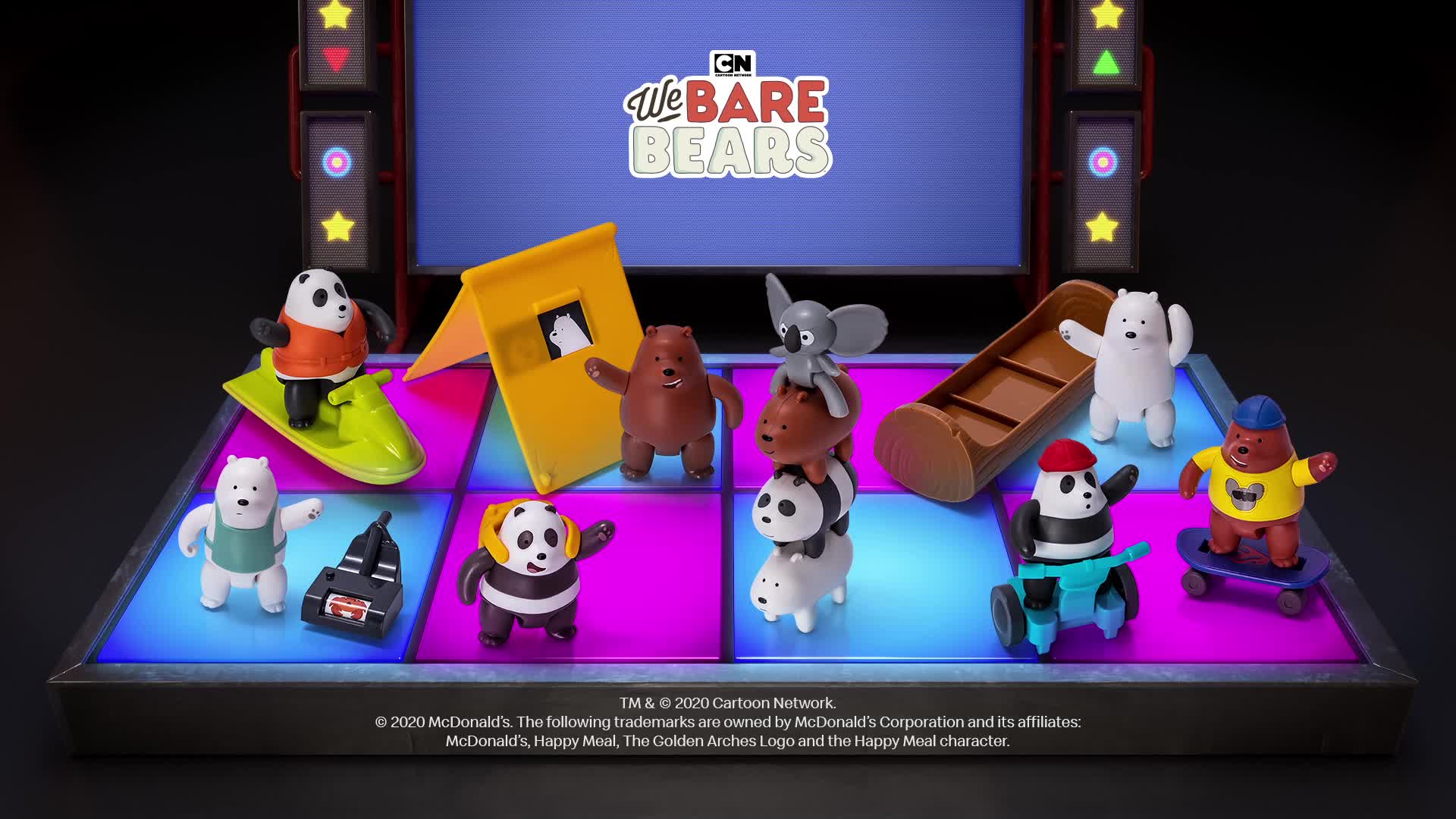
We Bare Bears
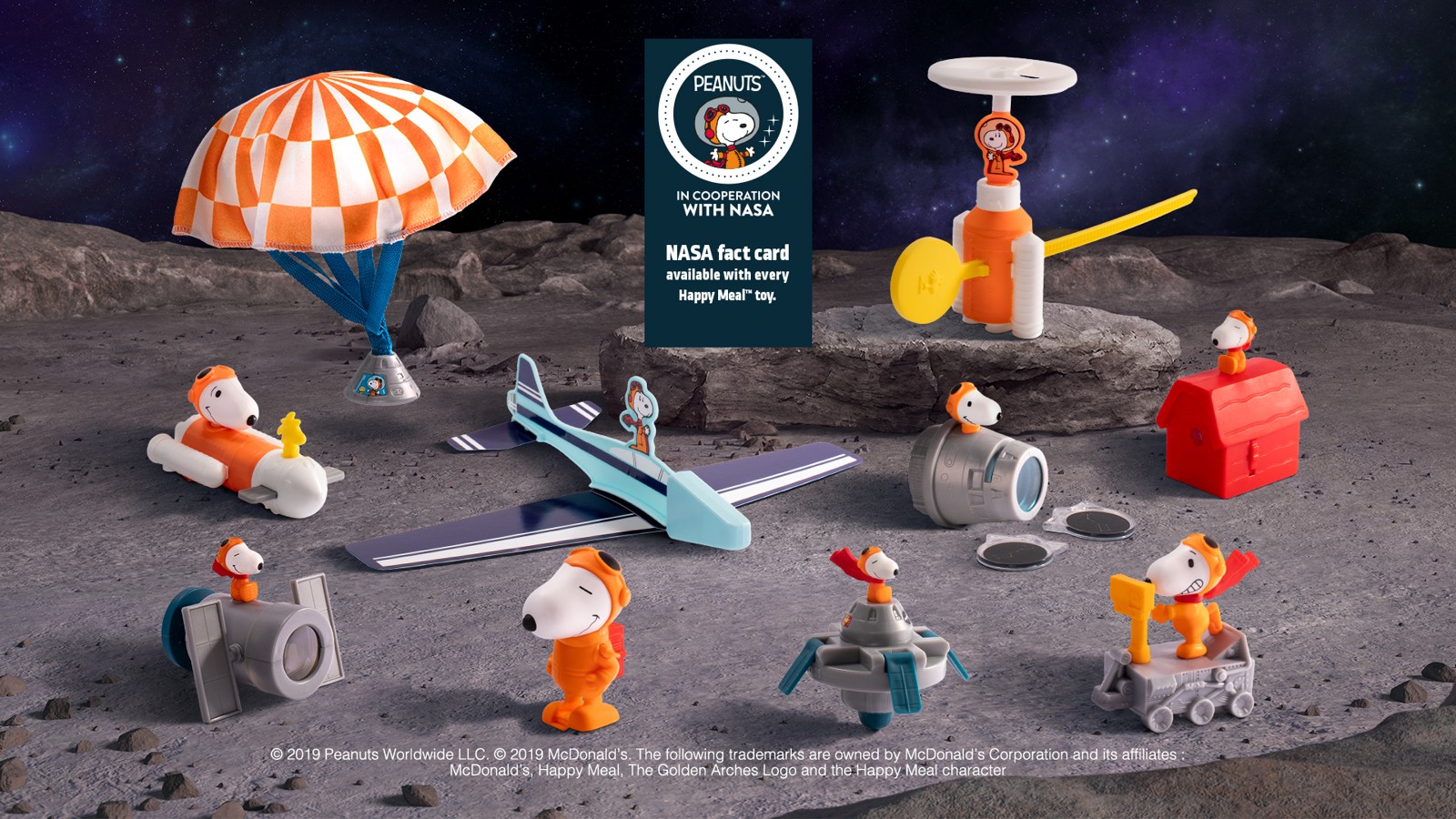
Peanuts, on the moon
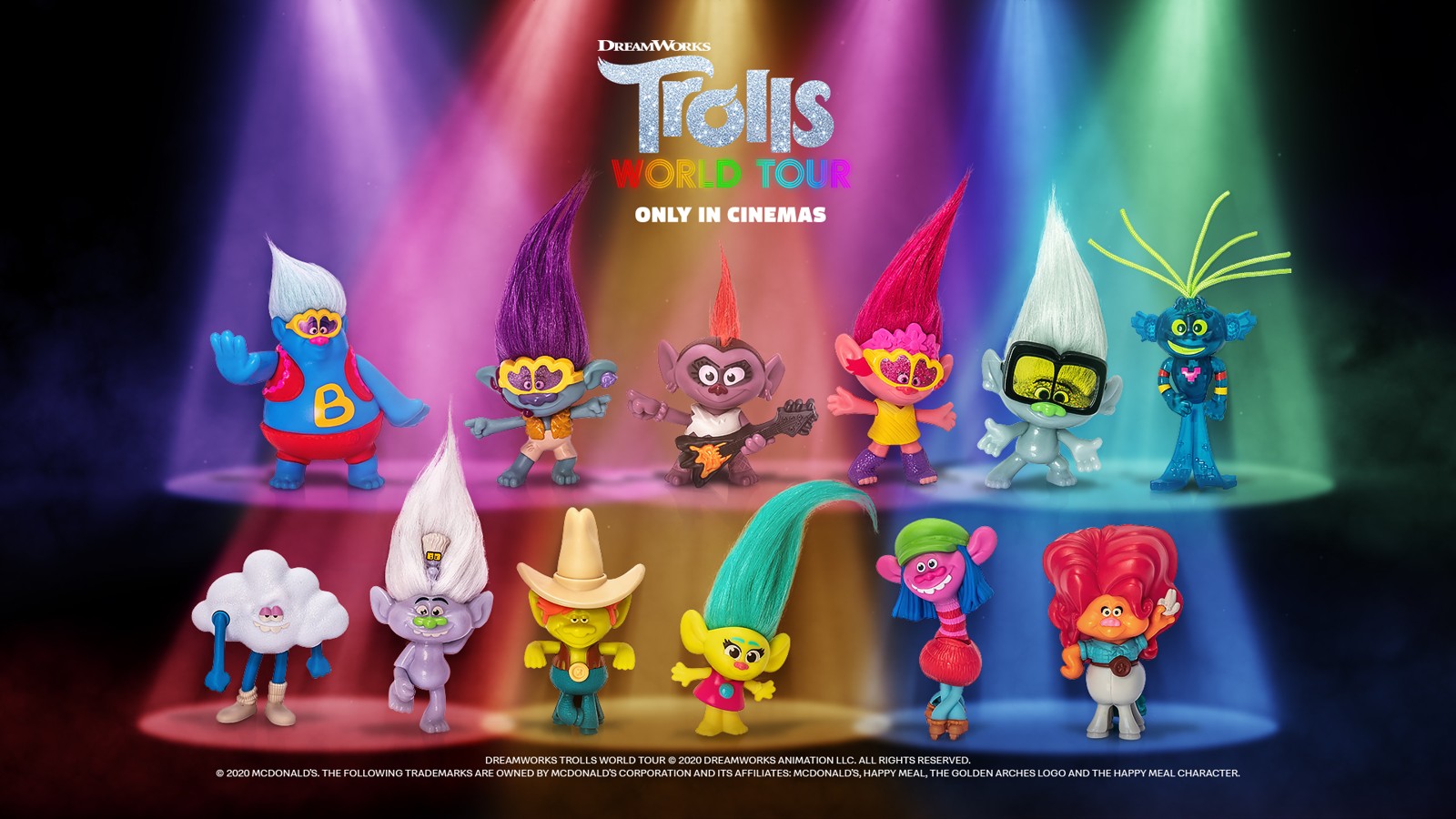
Trolls 2
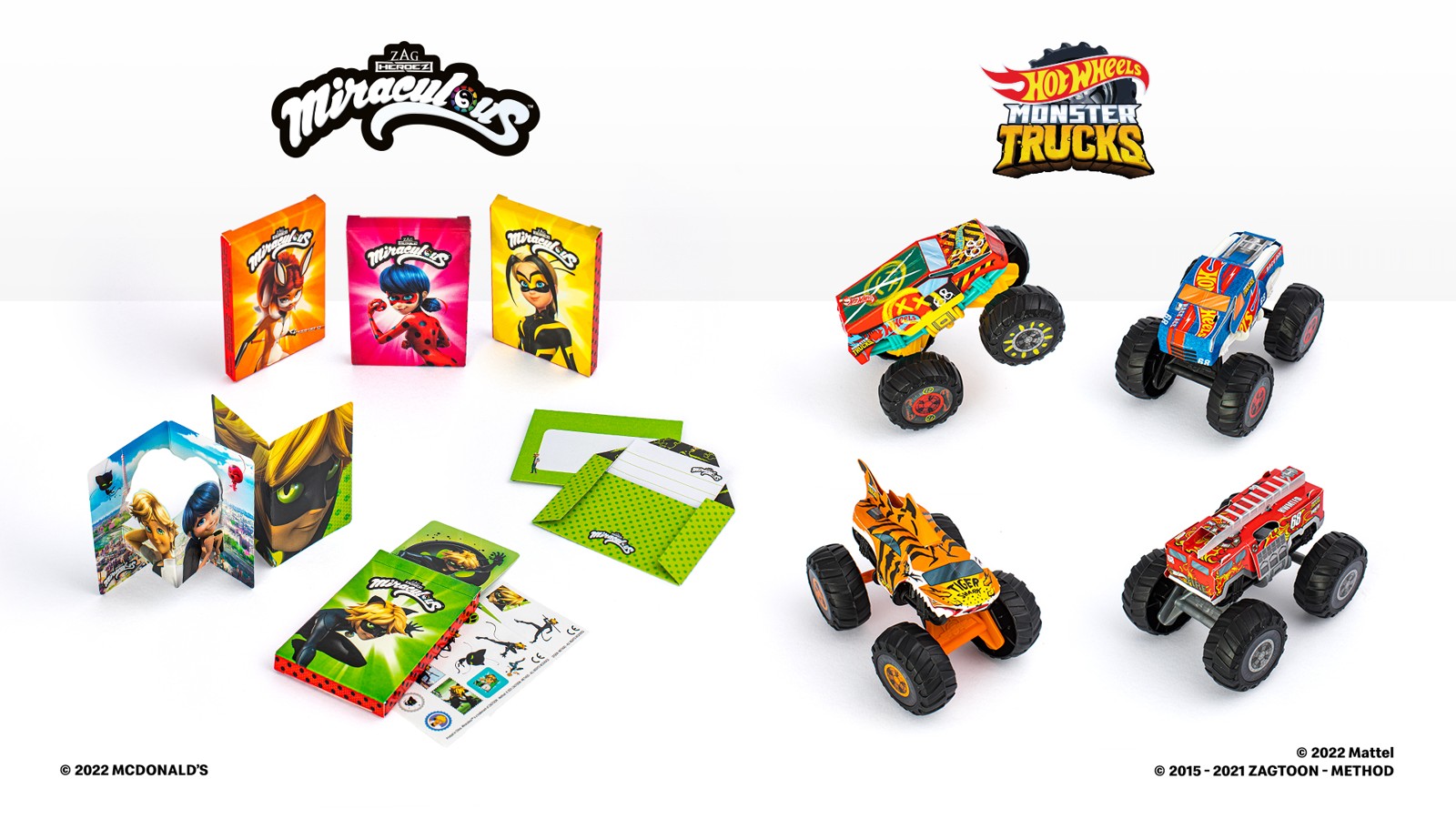
Miraculous × Hot Wheels
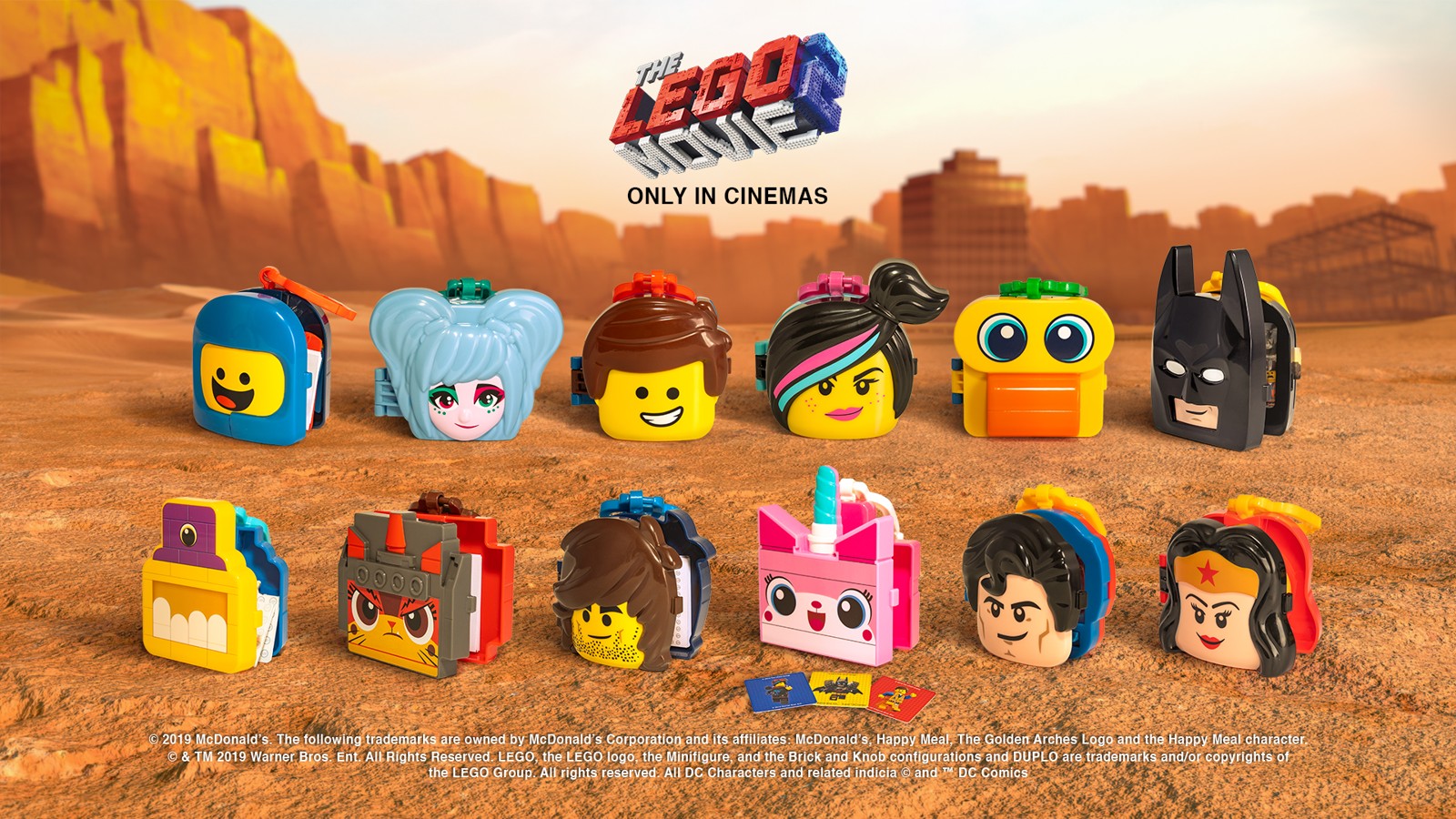
The LEGO Movie 2
Up close
Look closer and the packshot stops being about toys. It is plush fur against felt, chrome against matte plastic, glitter suspended in something translucent. Each one a different lighting problem, solved at a scale nobody is asked to notice.
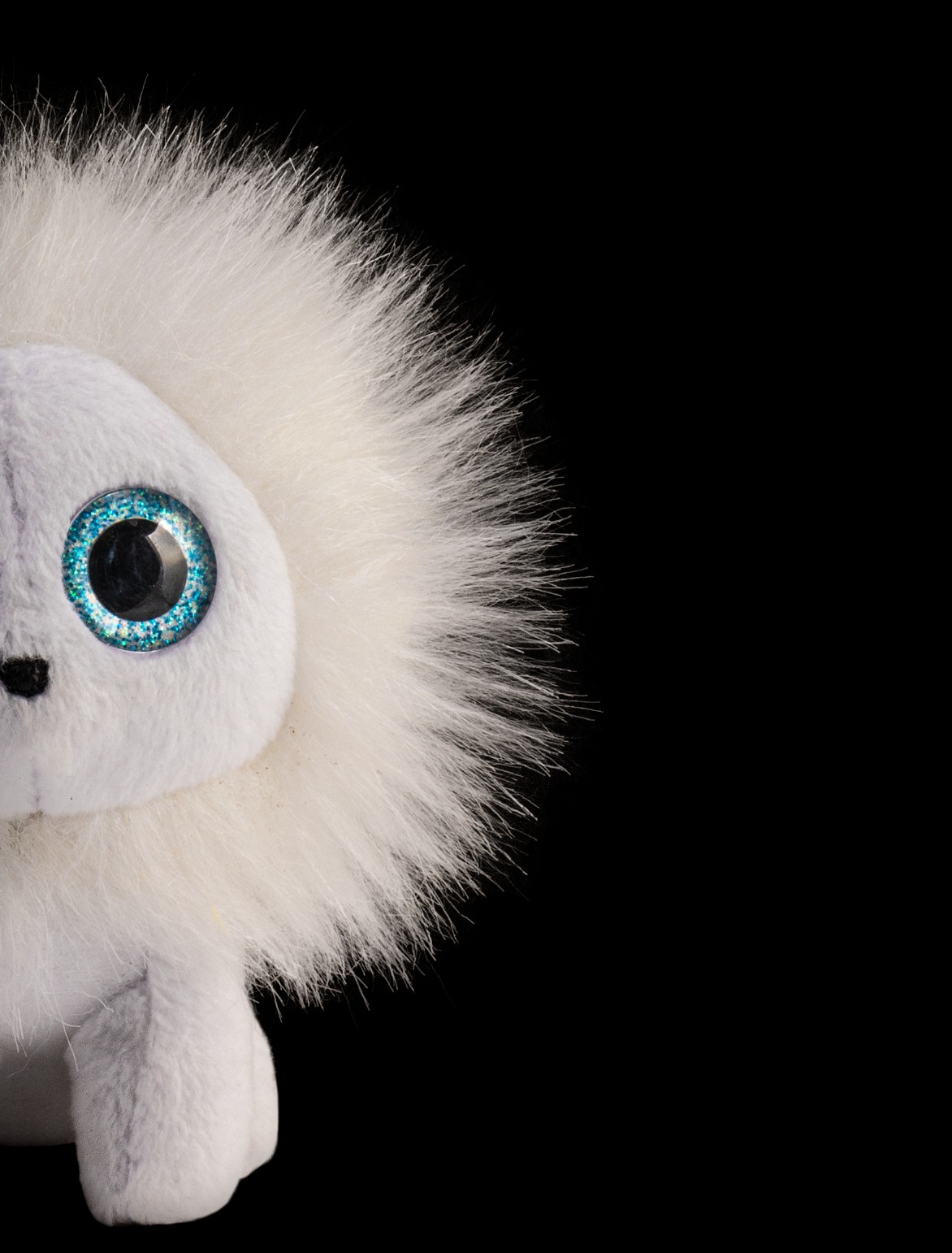
Fur, against black
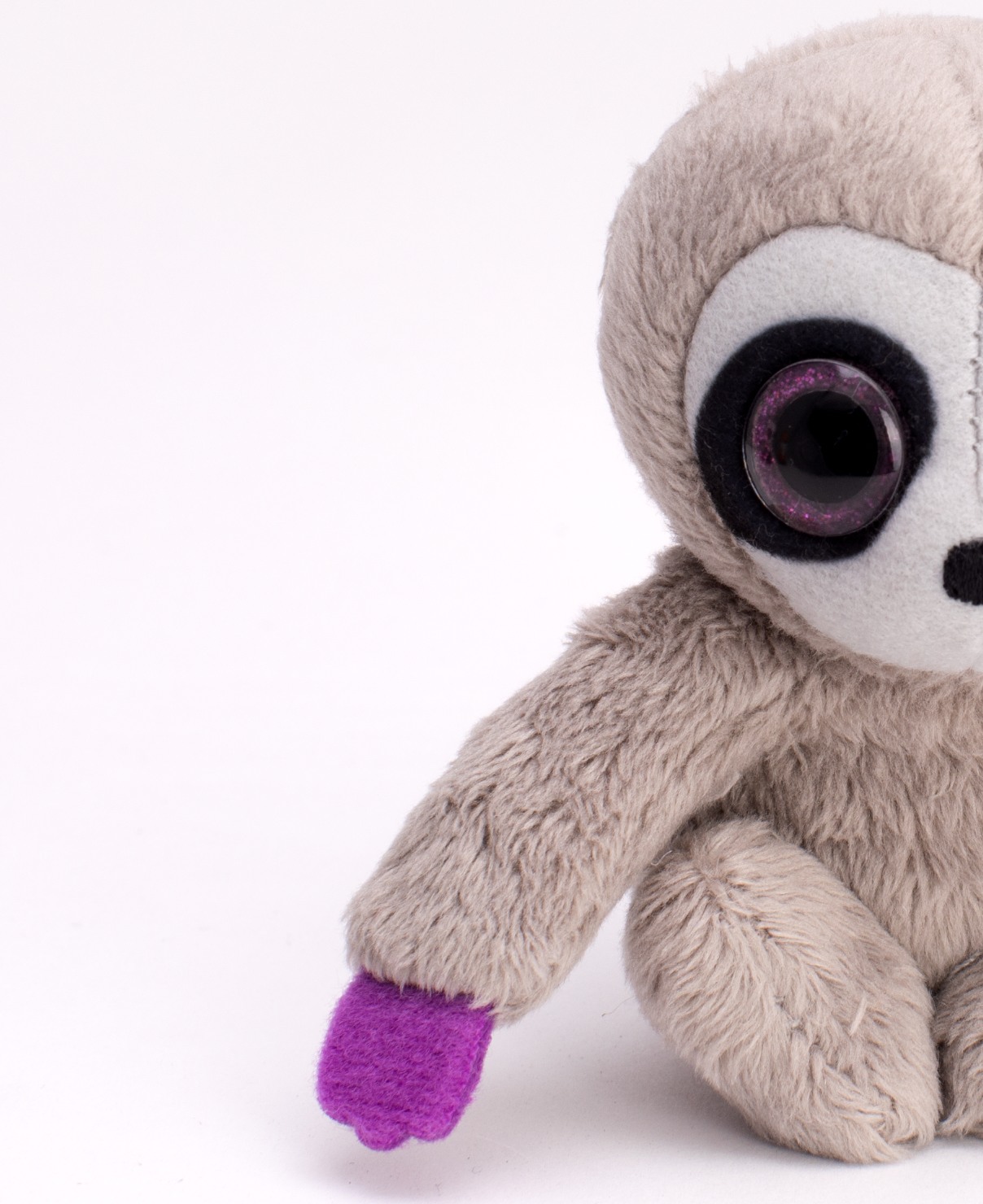
Plush, and one felt hand
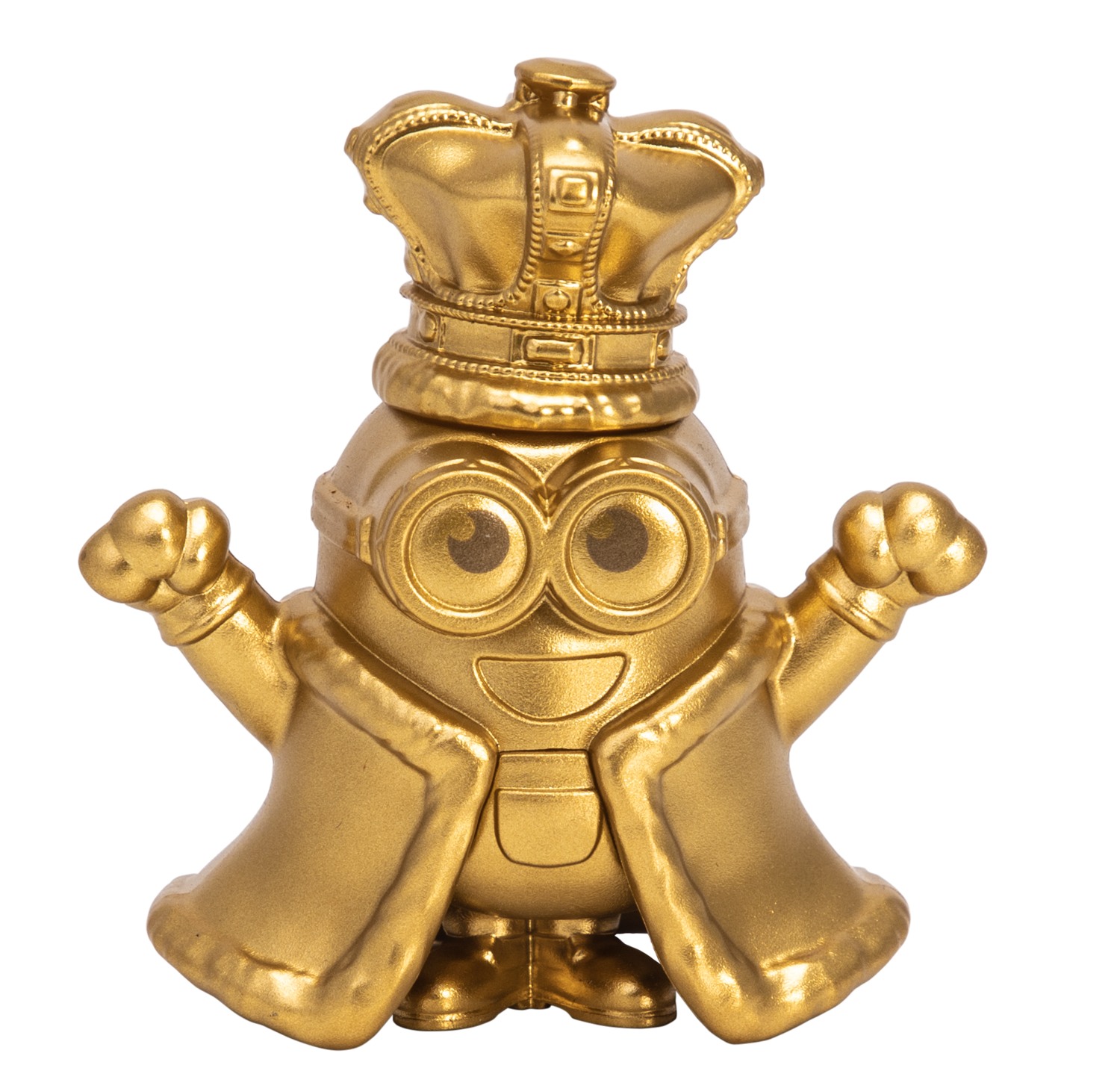
Chrome gold
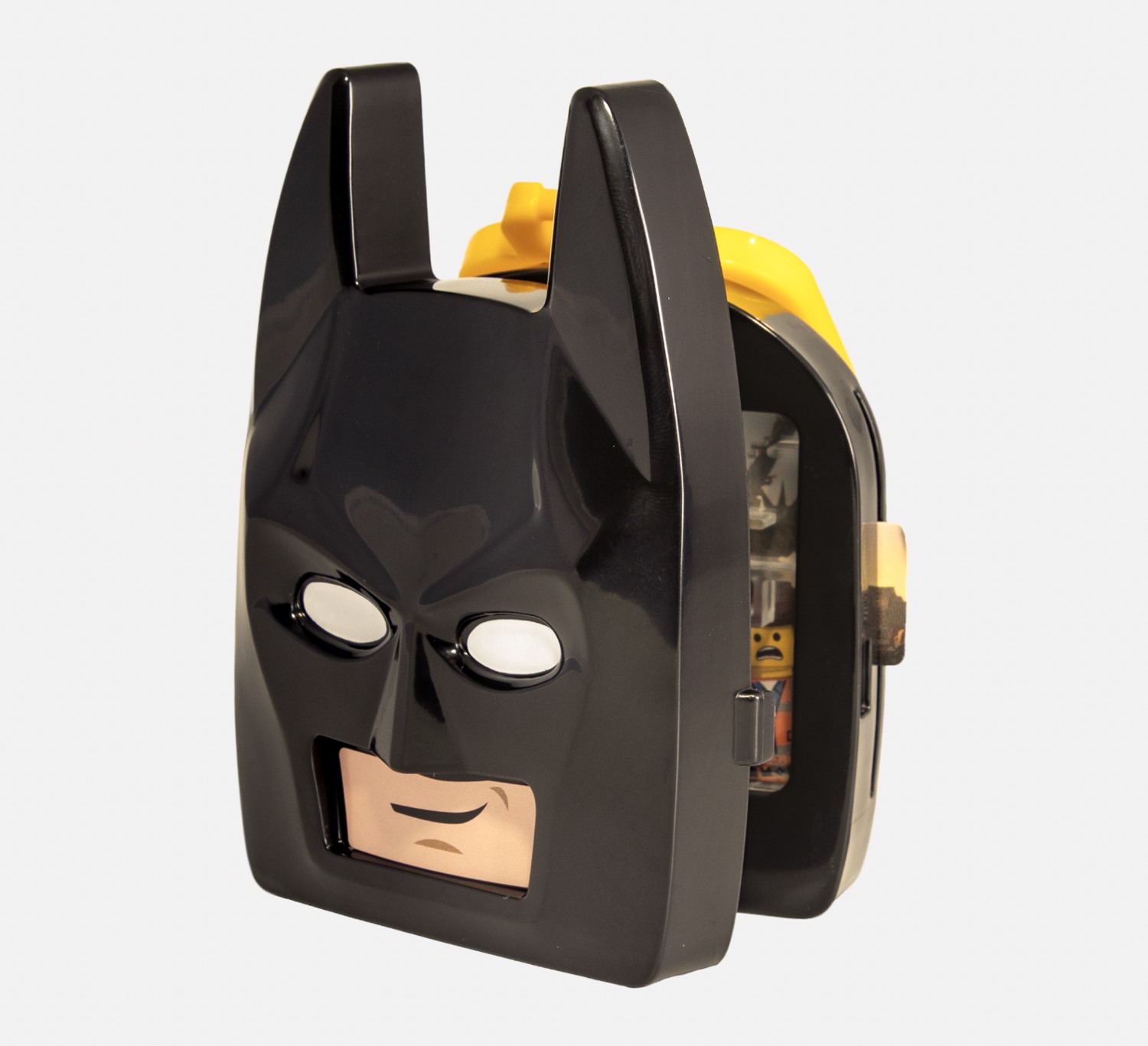
Matte injection plastic
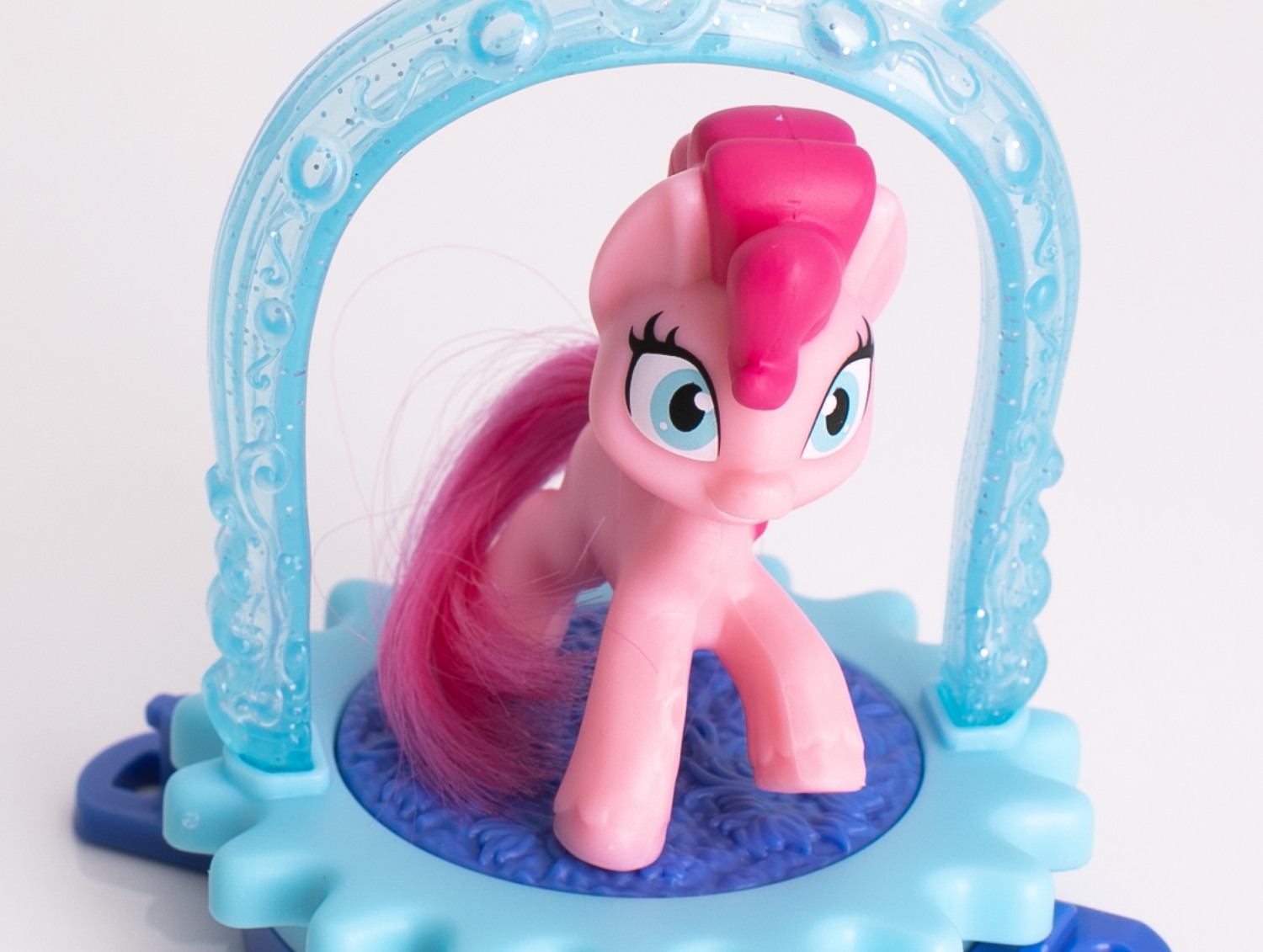
Translucent, with glitter
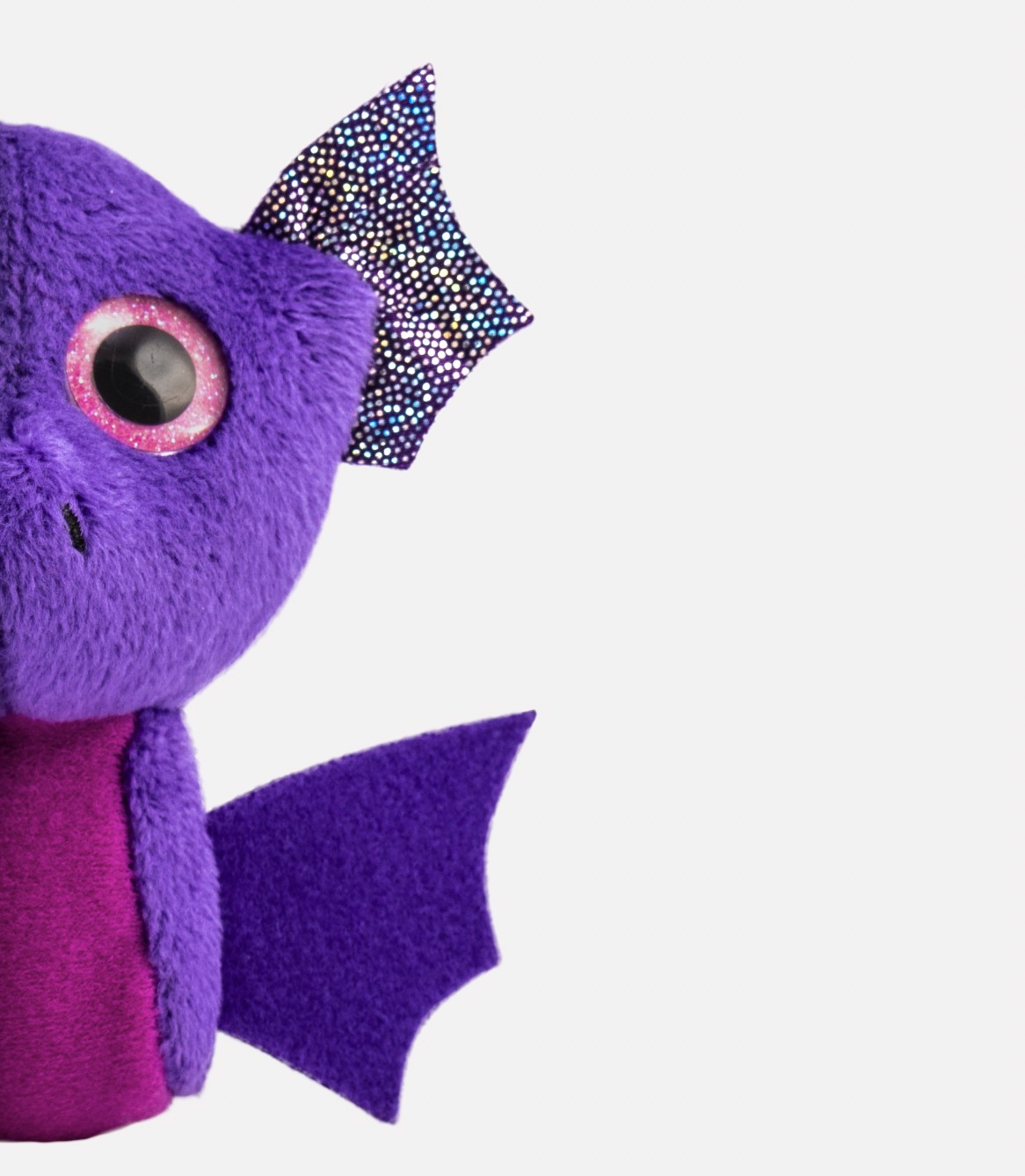
Felt wings, sequin eye
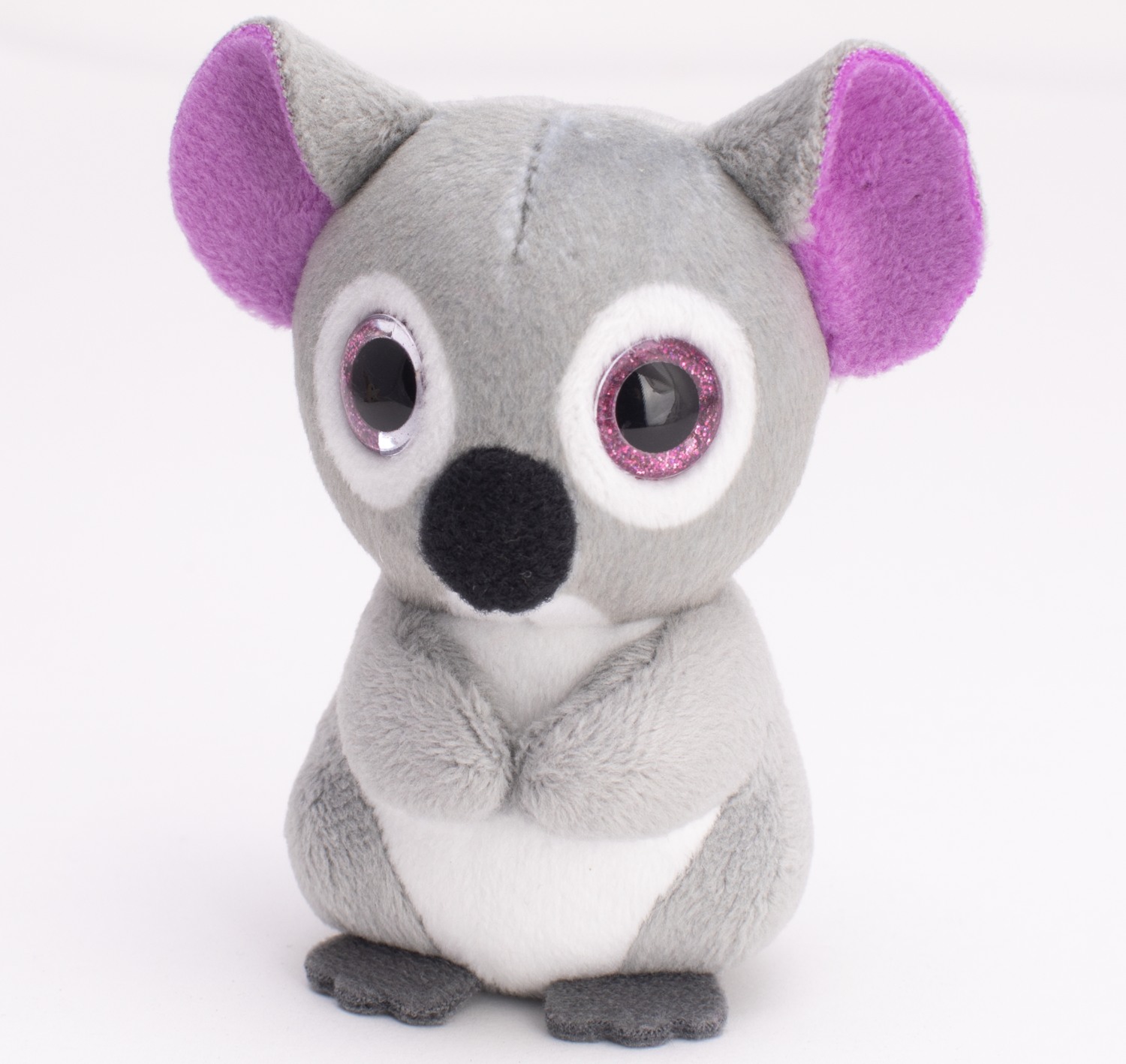
Two greys, one eye
The licences
Pokémon, LEGO, Mario, the Smurfs, Trolls, Spider-Man. Each licence arrives with its own rules, and each one still has to look like a Happy Meal film when it lands. Twenty-three shown here, out of two hundred delivered.
Outside the licences
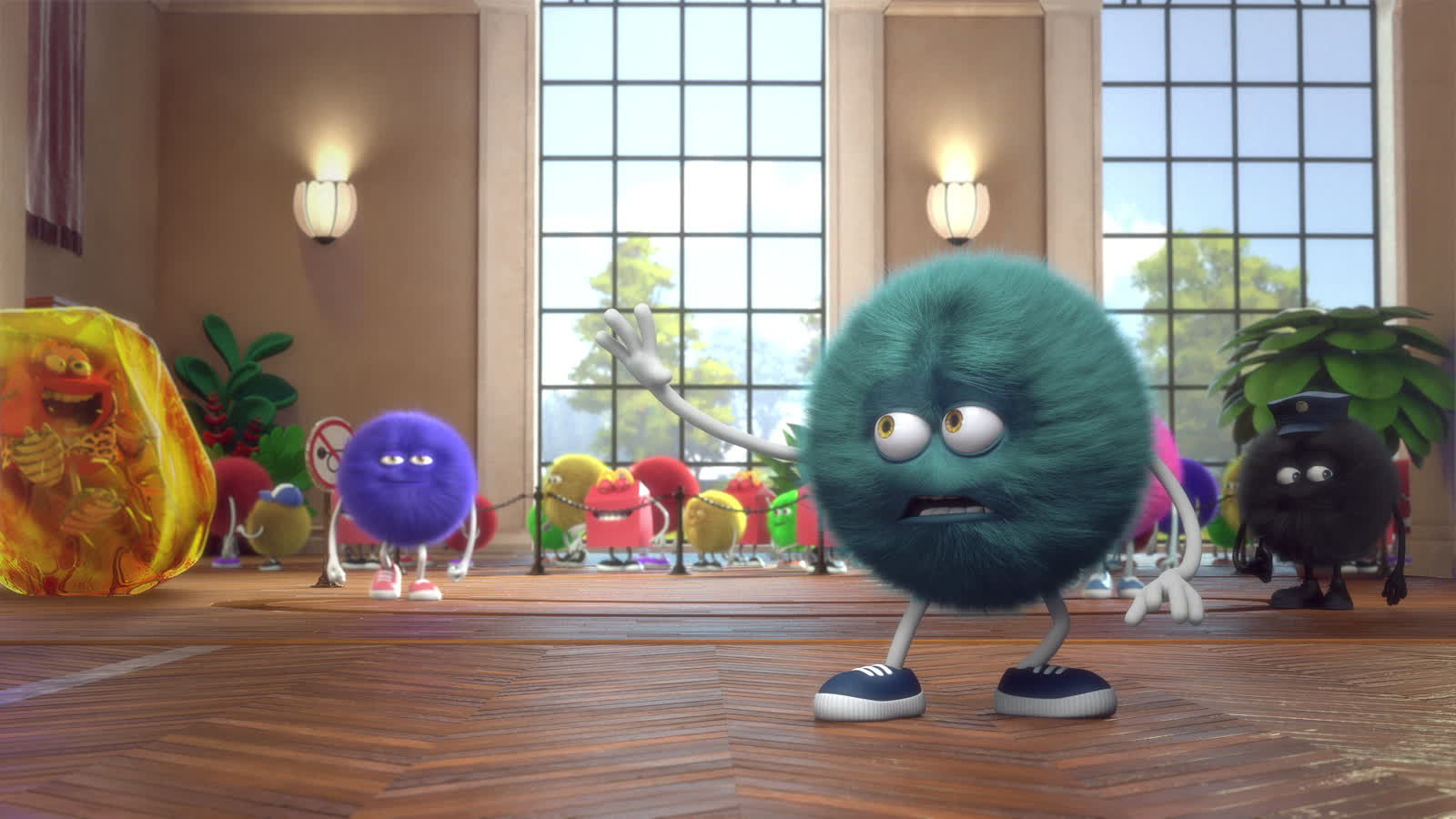
Every other film on this page arrives with its characters already drawn by somebody else. Grumpf Museum arrived with nothing. McDonald’s asked for a world nobody owned, so LOBO invented one: a natural history museum of animals that have never existed, each given a plausible anatomy and a skeleton to match, because a museum only works if the invention is consistent. Then the whole hall was built again in full 360, so a child could turn their head and find another animal behind them.
The 360 master, one window drifting across the sphere. Every corner finished, because every corner is visible.
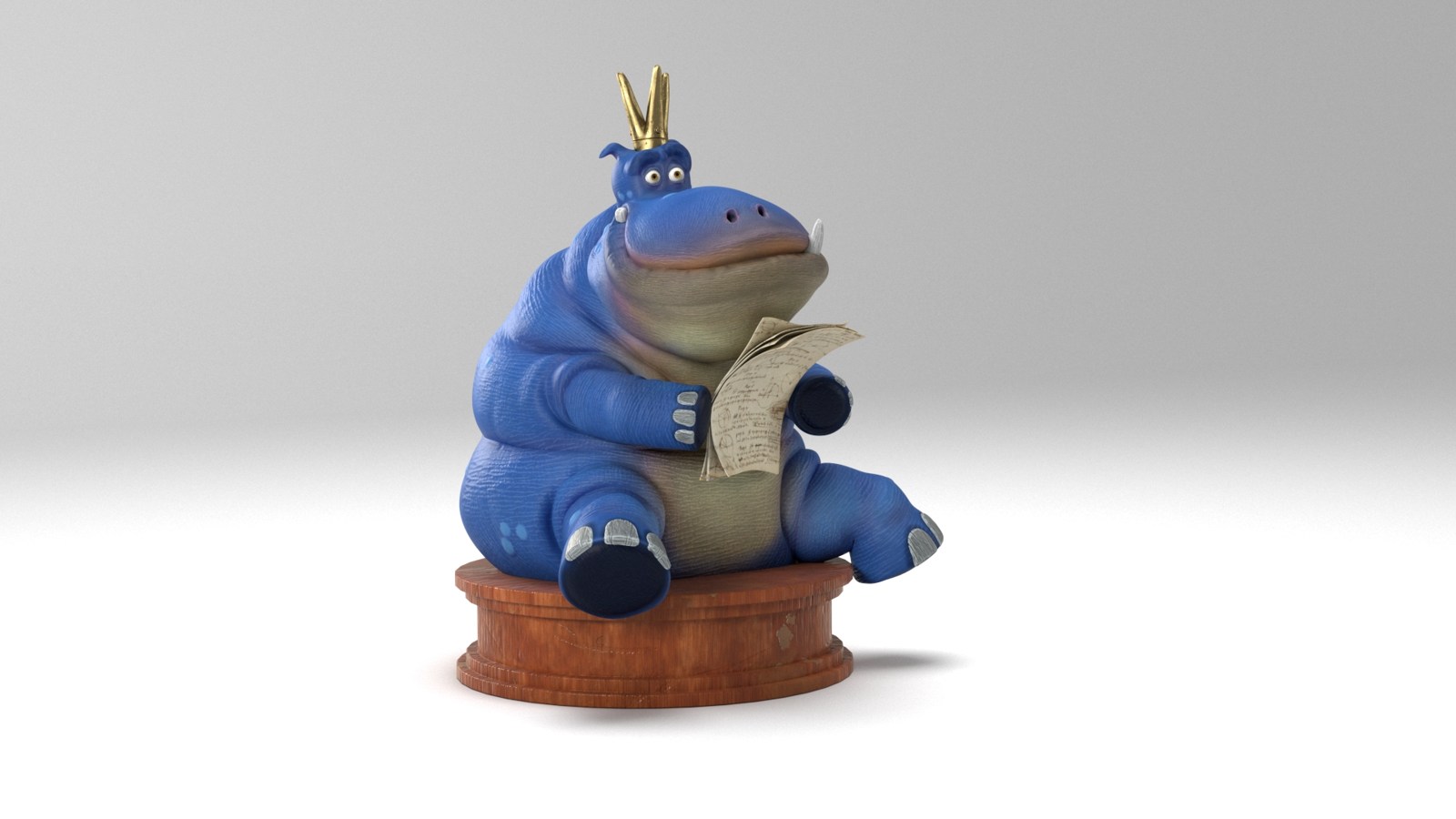
The hippo king
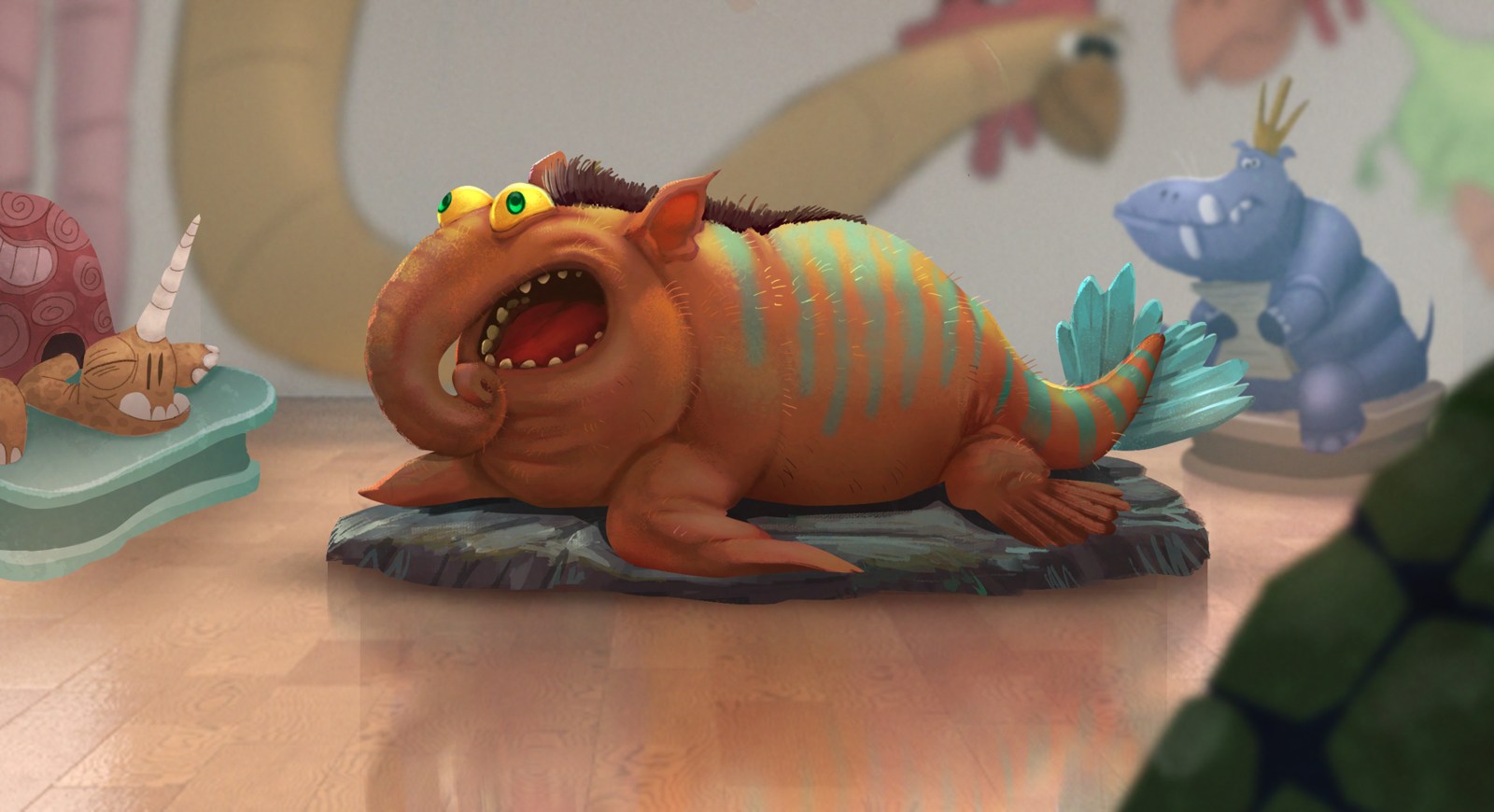
Part pig, part seal
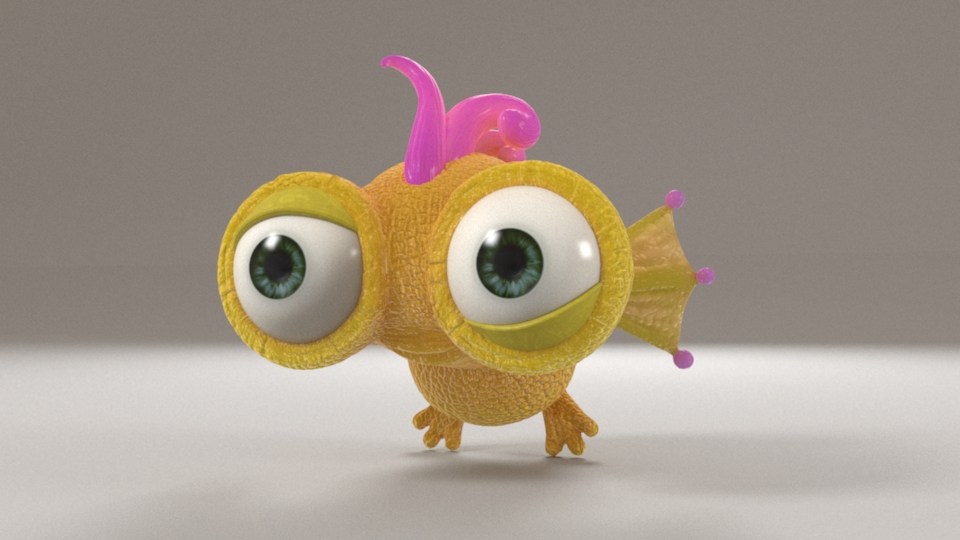
A slug with a quiff
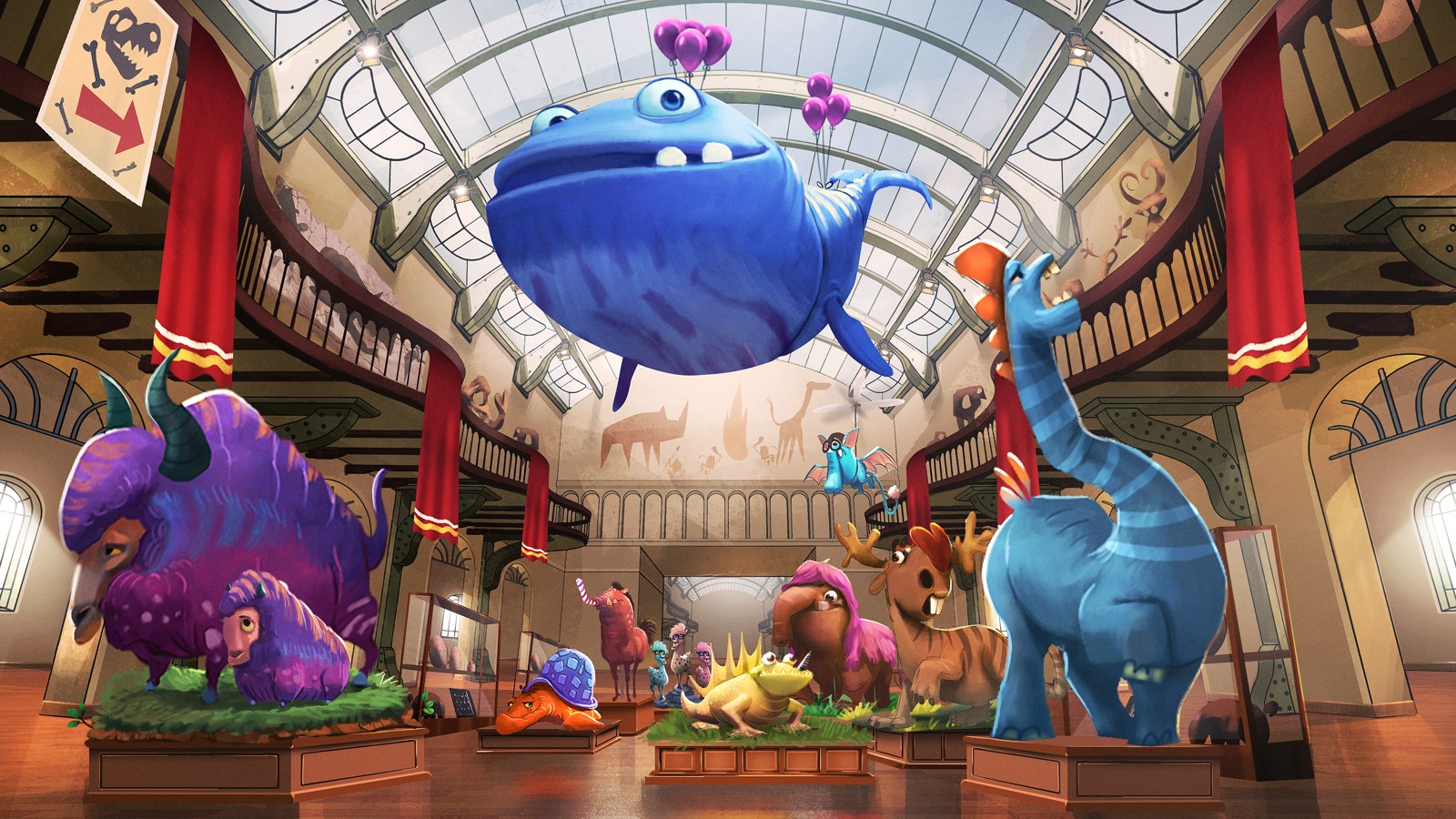
The full bestiary, in one hall
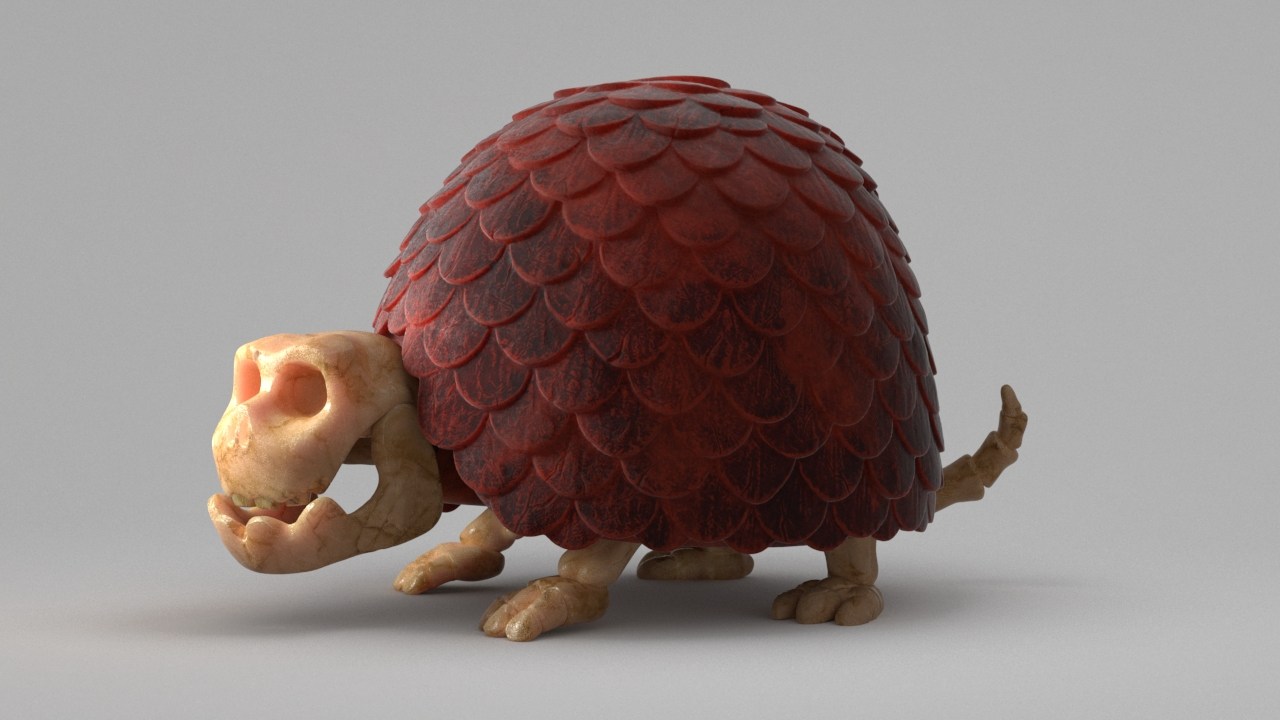
Even the skeletons were invented
 Open the Grumpf Museum case →
The wardrobe
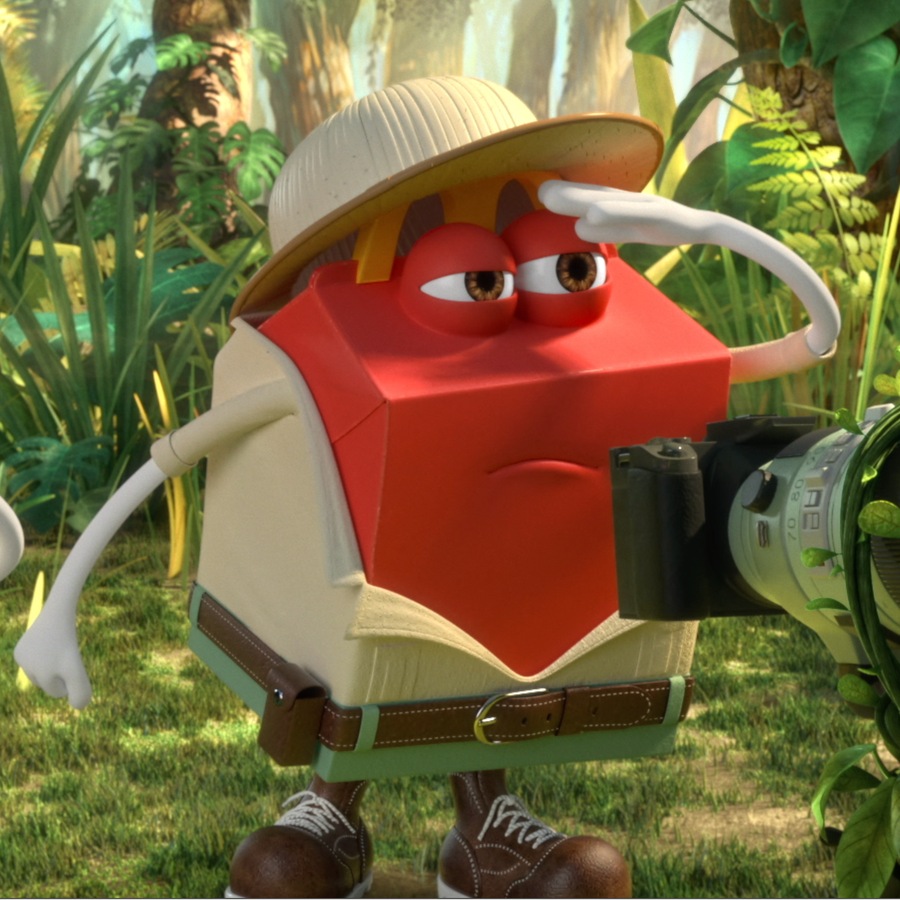
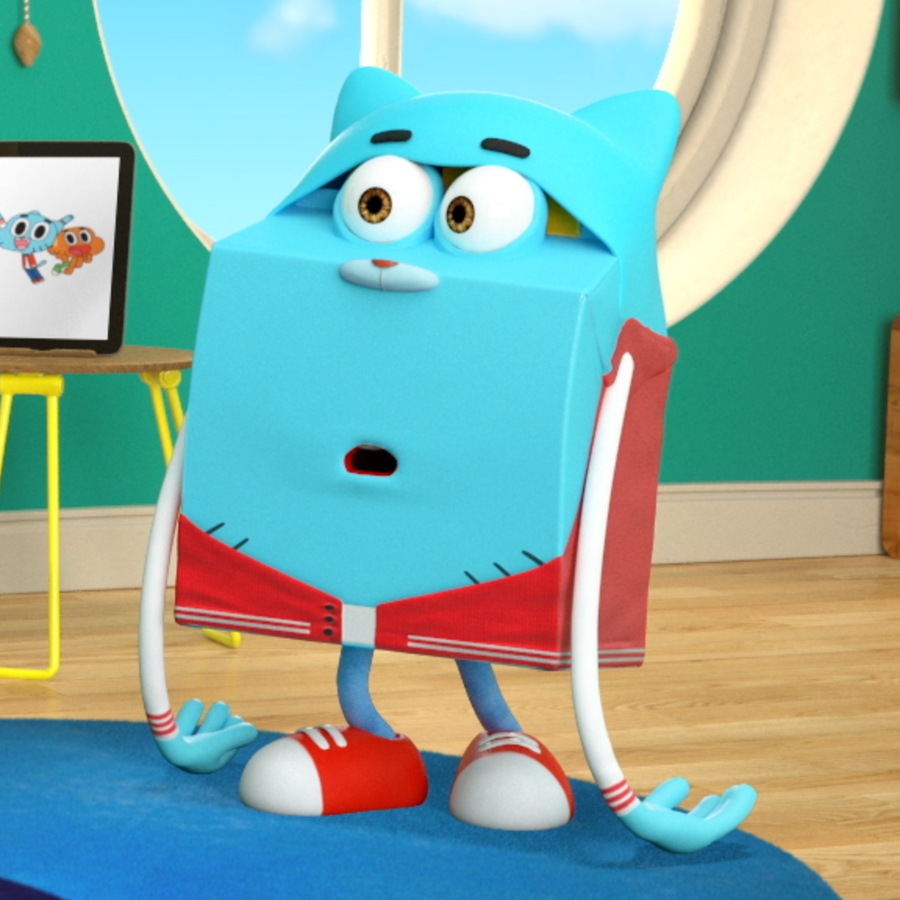
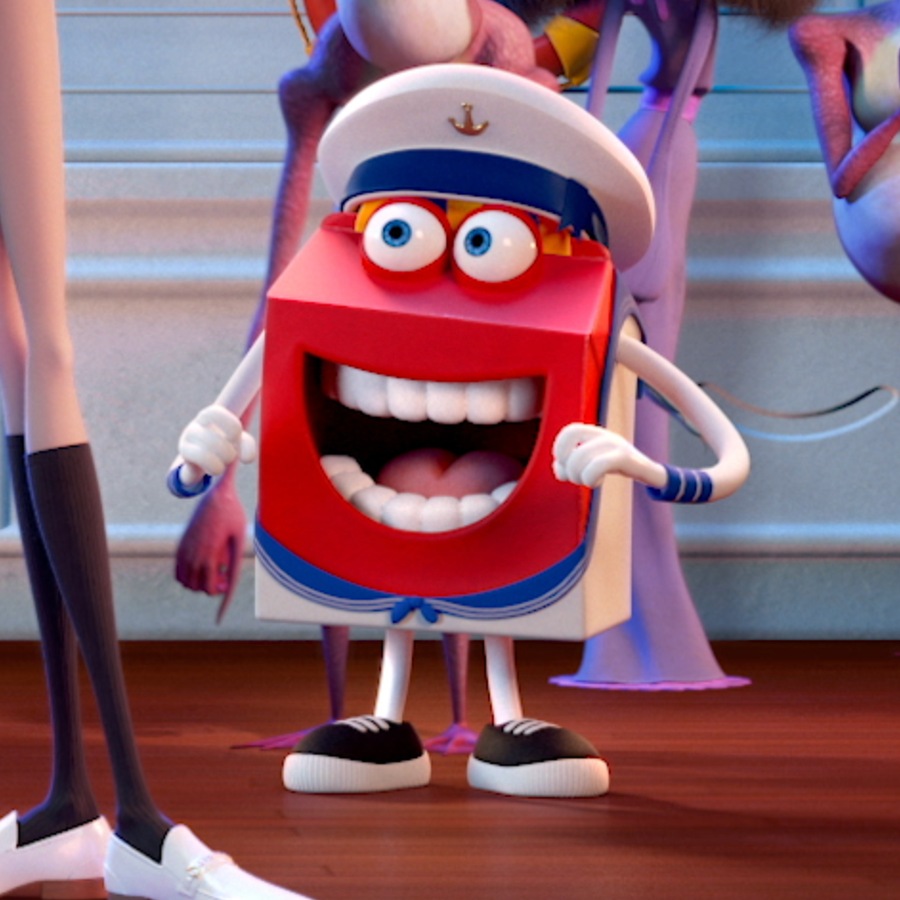
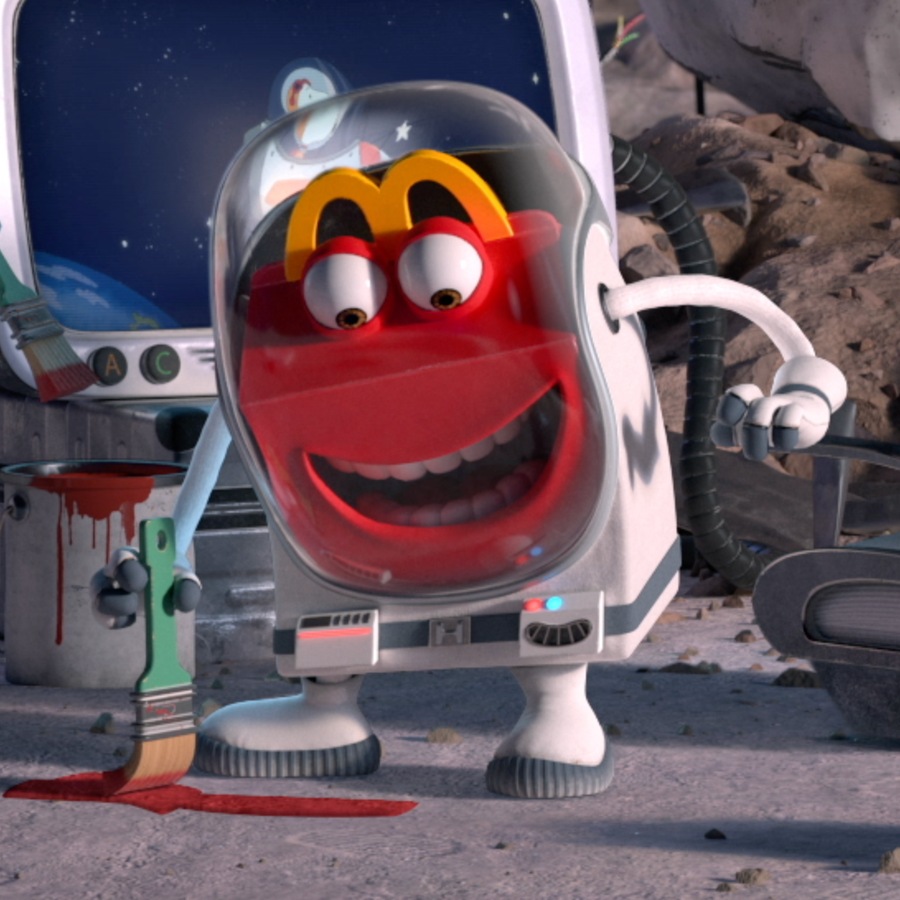
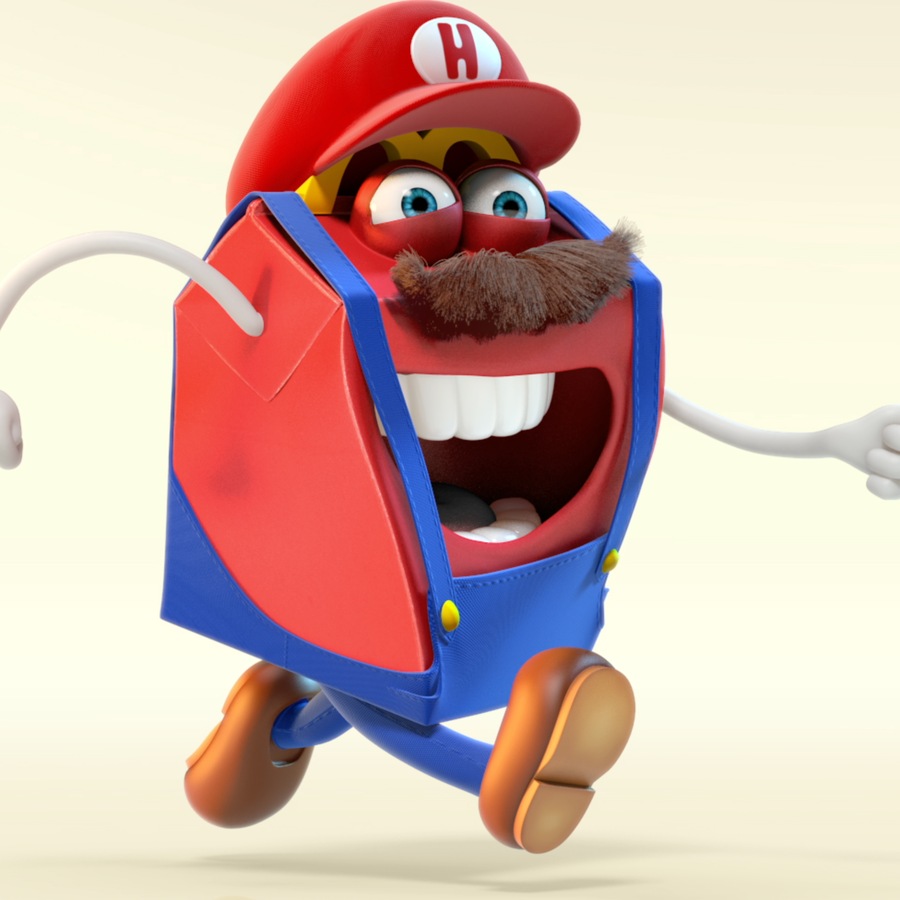
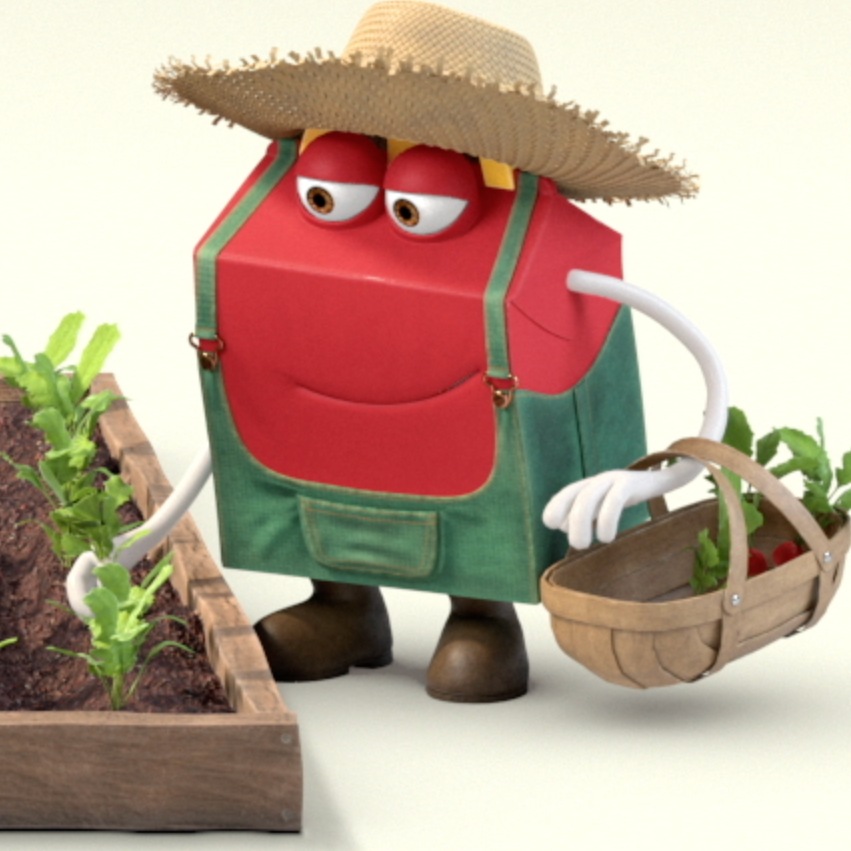
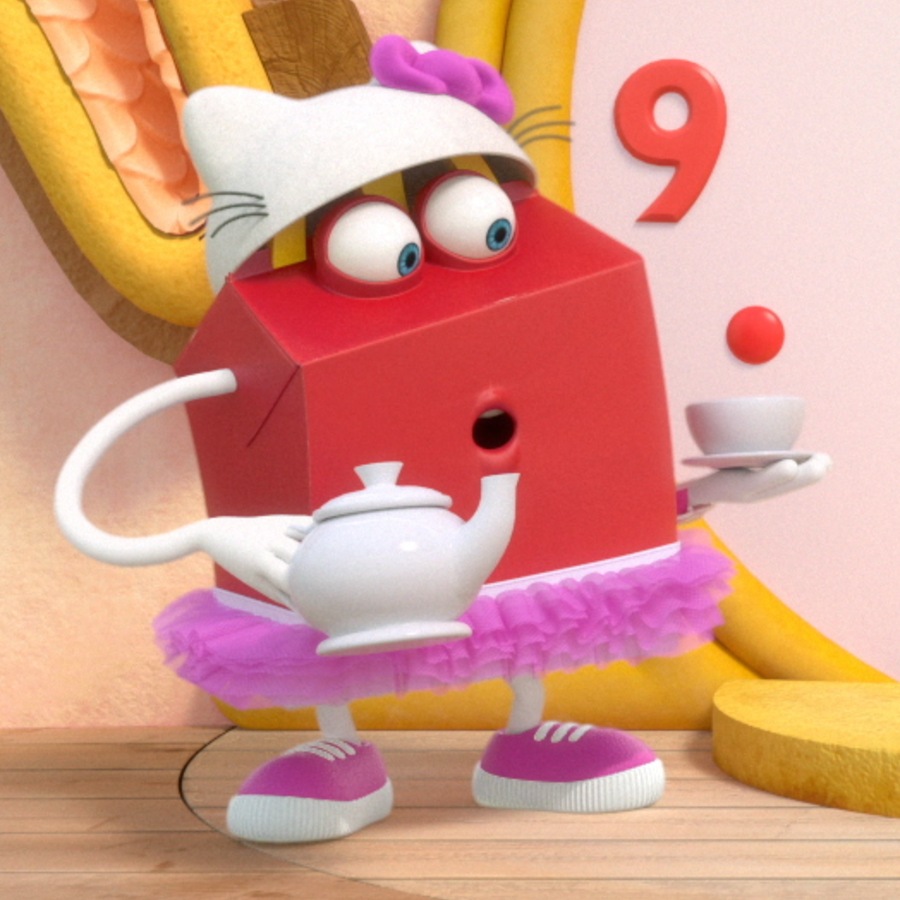
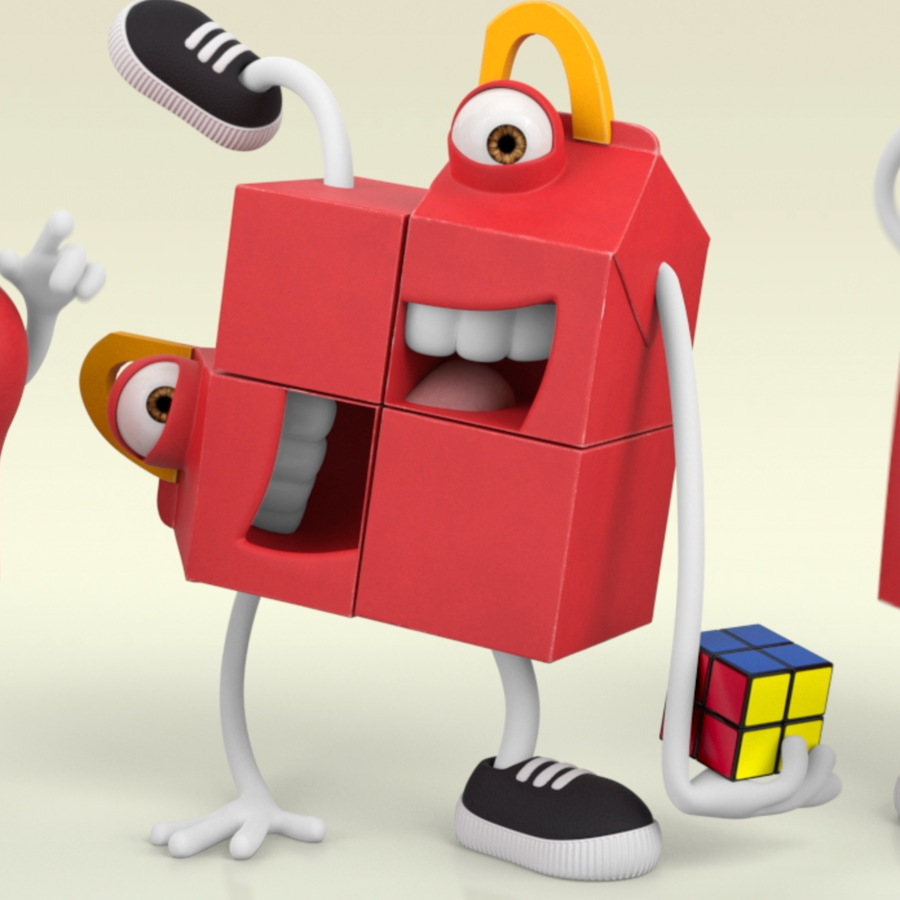
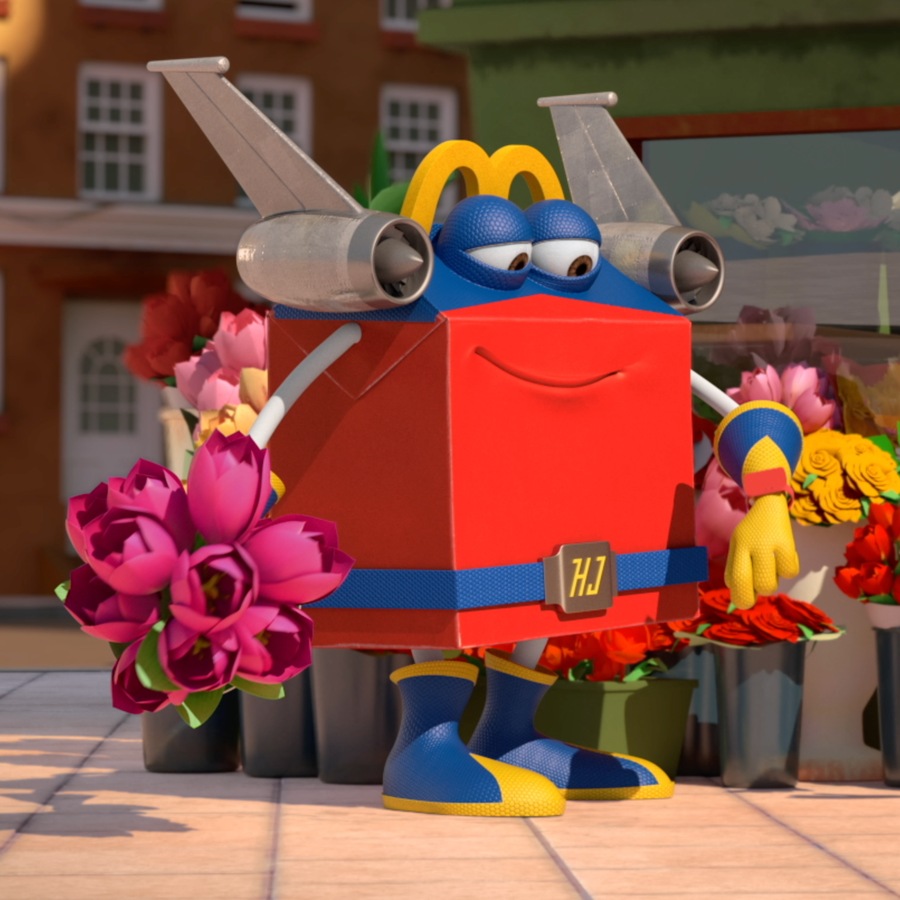
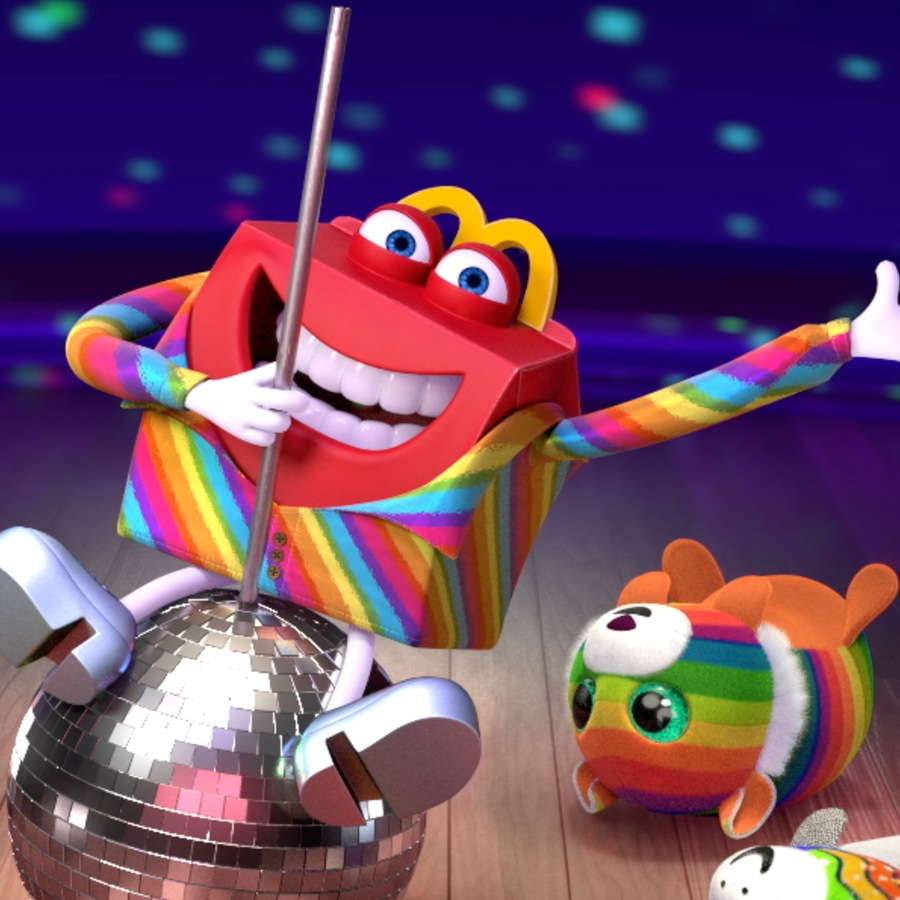
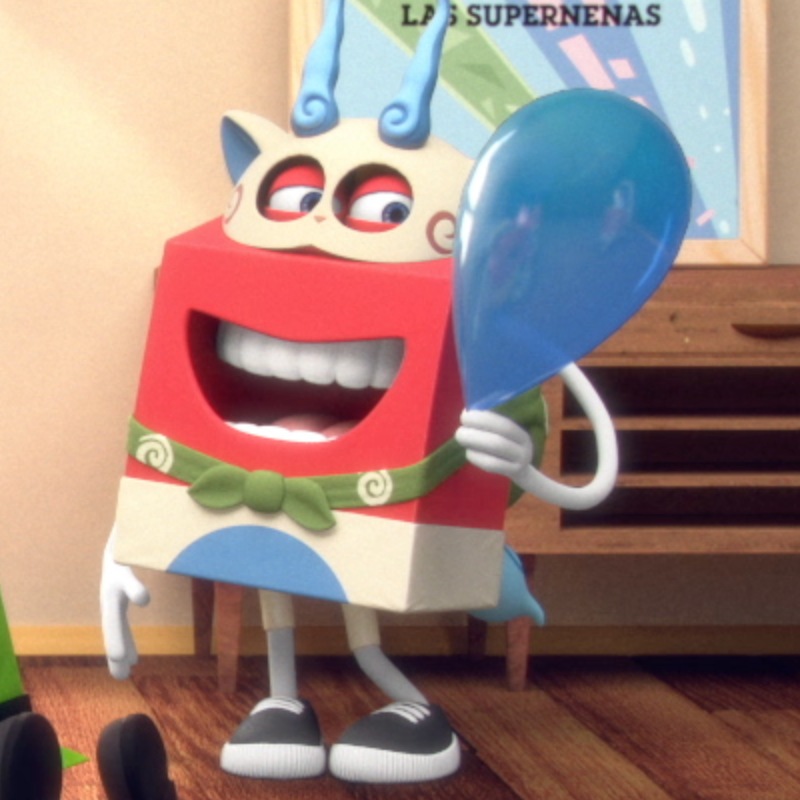
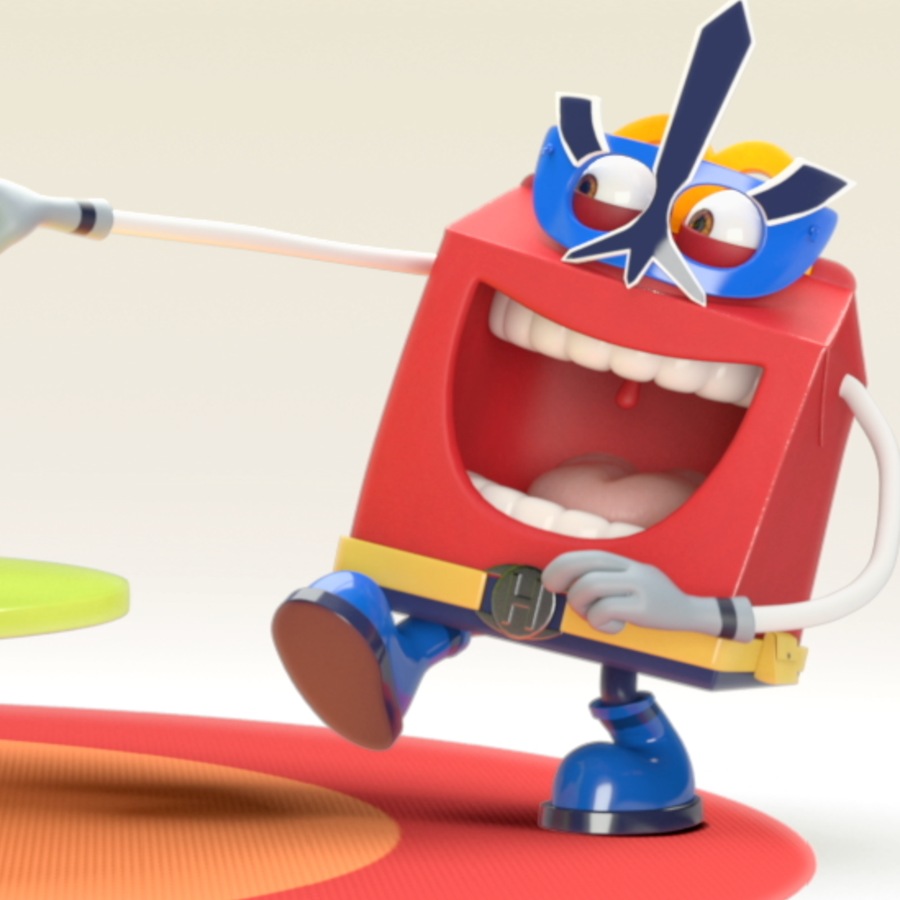
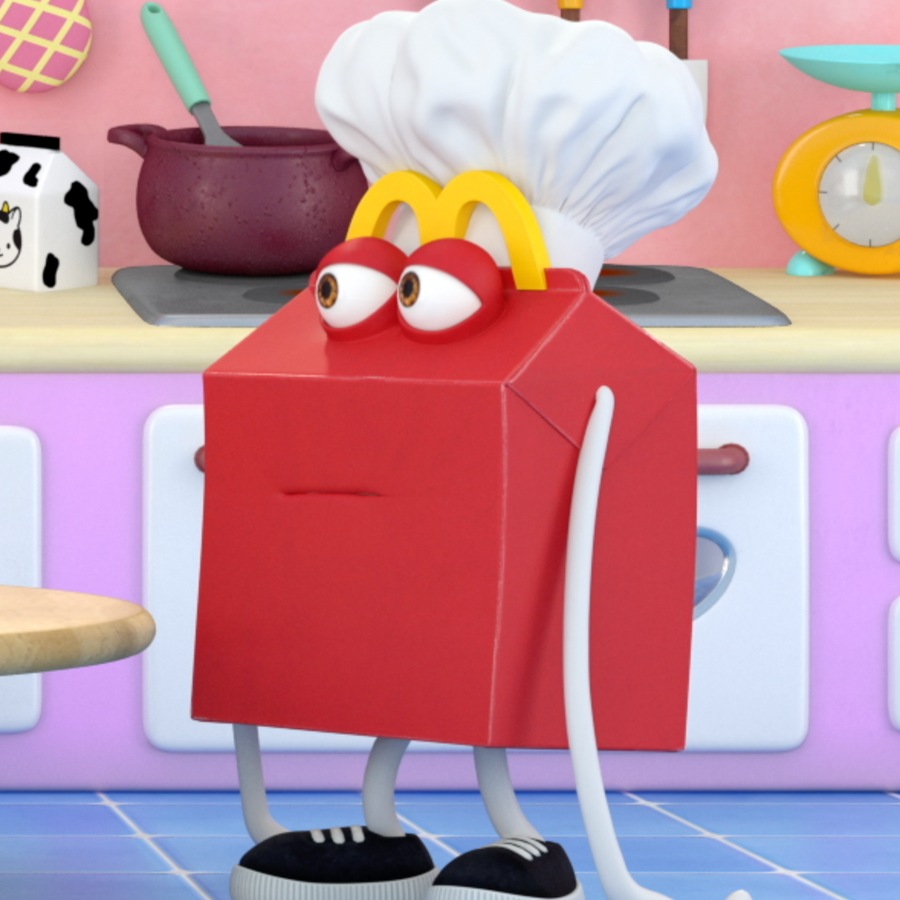
The Happy Meal character is a paper box with a mouth. Over ten years it became a knight, an astronaut, a ballerina, a caveman, a Troll, Mario, a submarine, and stayed recognisably itself in every one. Eighteen of them here. That consistency is the job.
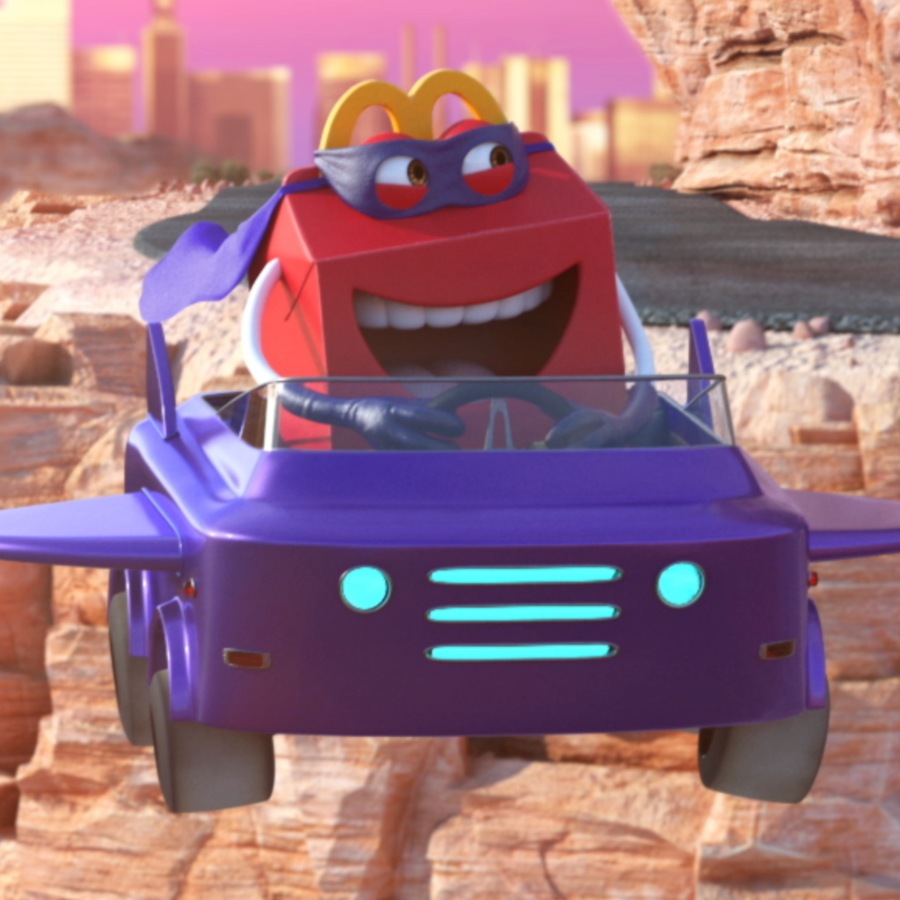
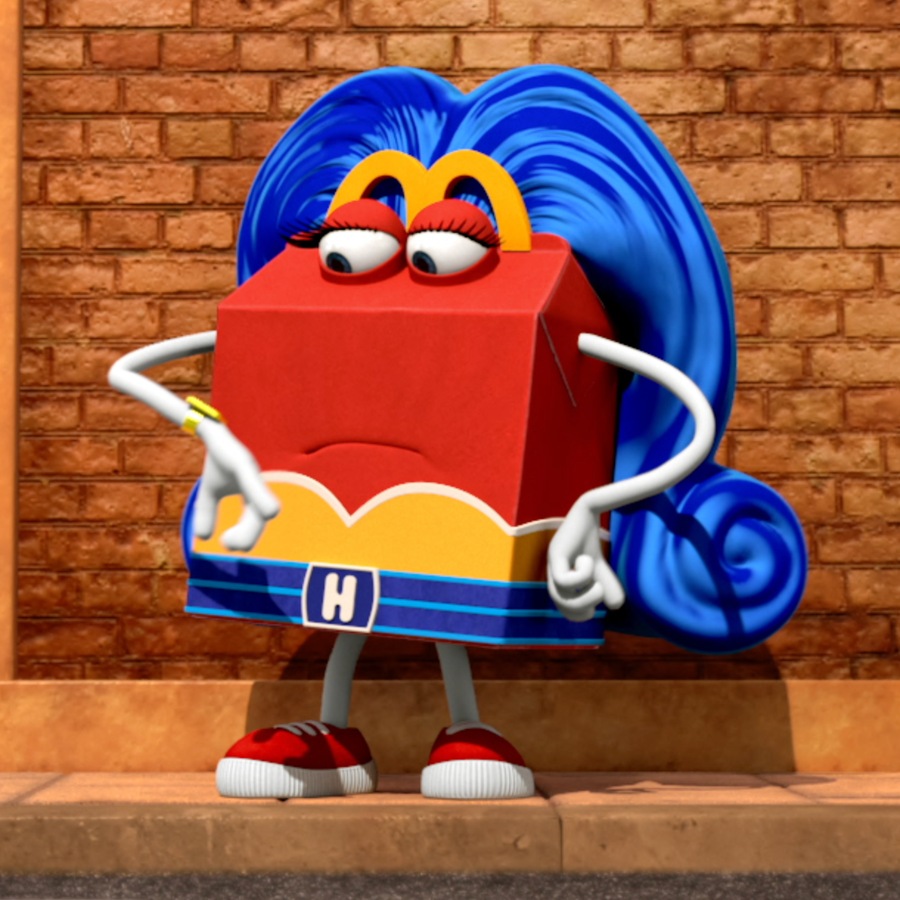
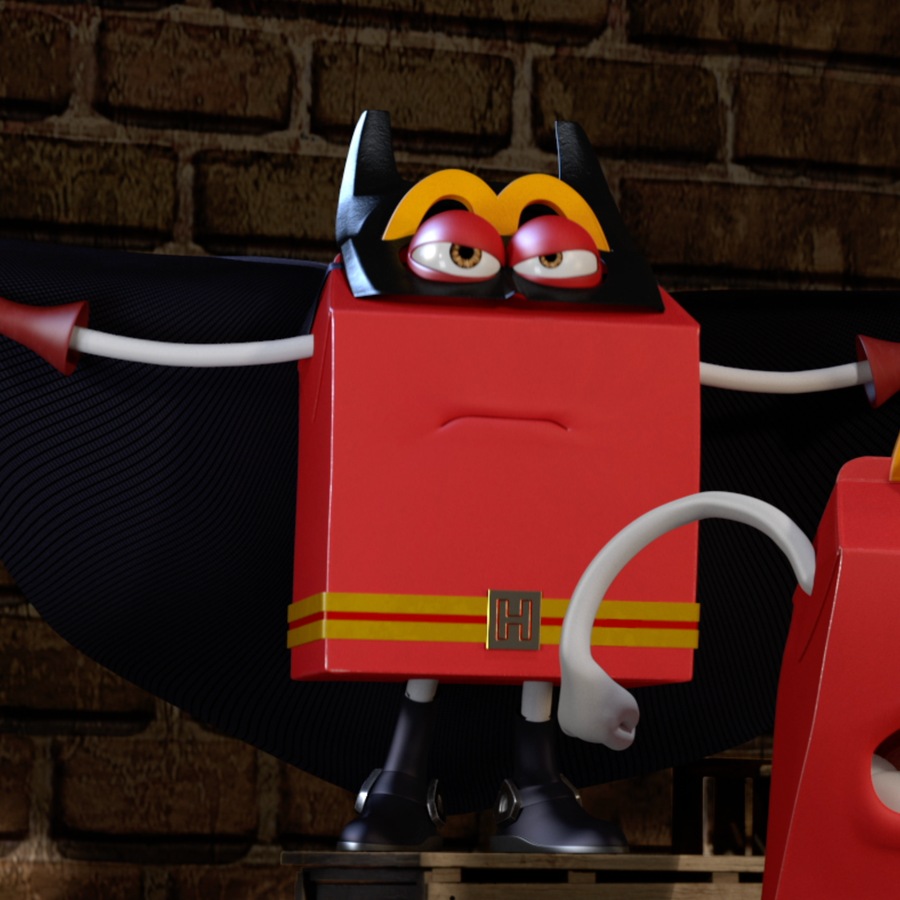
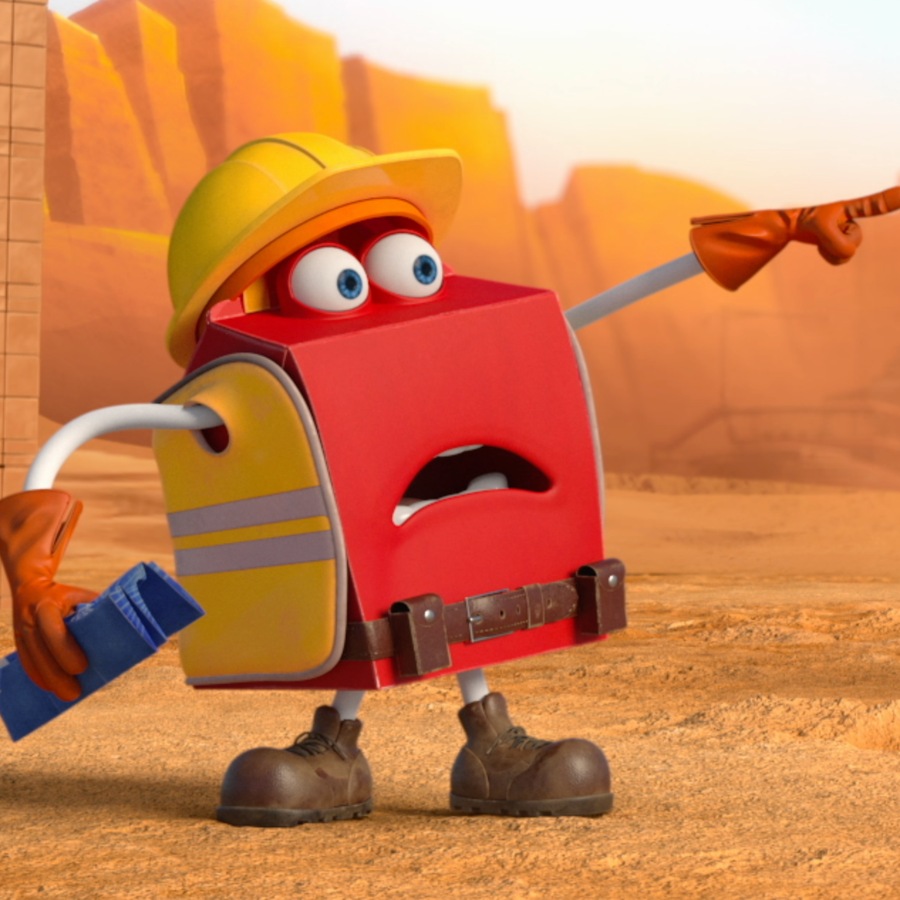
Ten years later
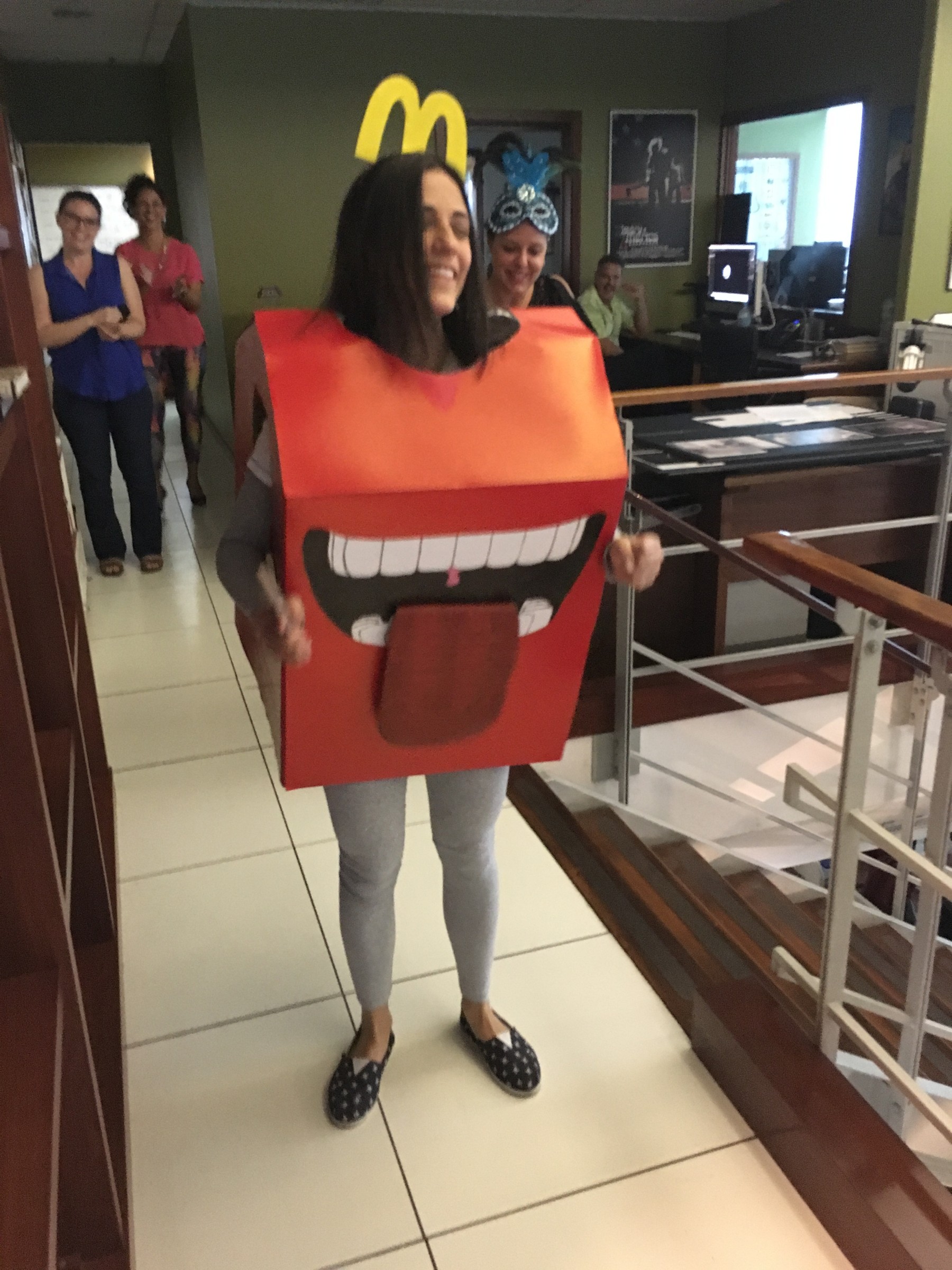
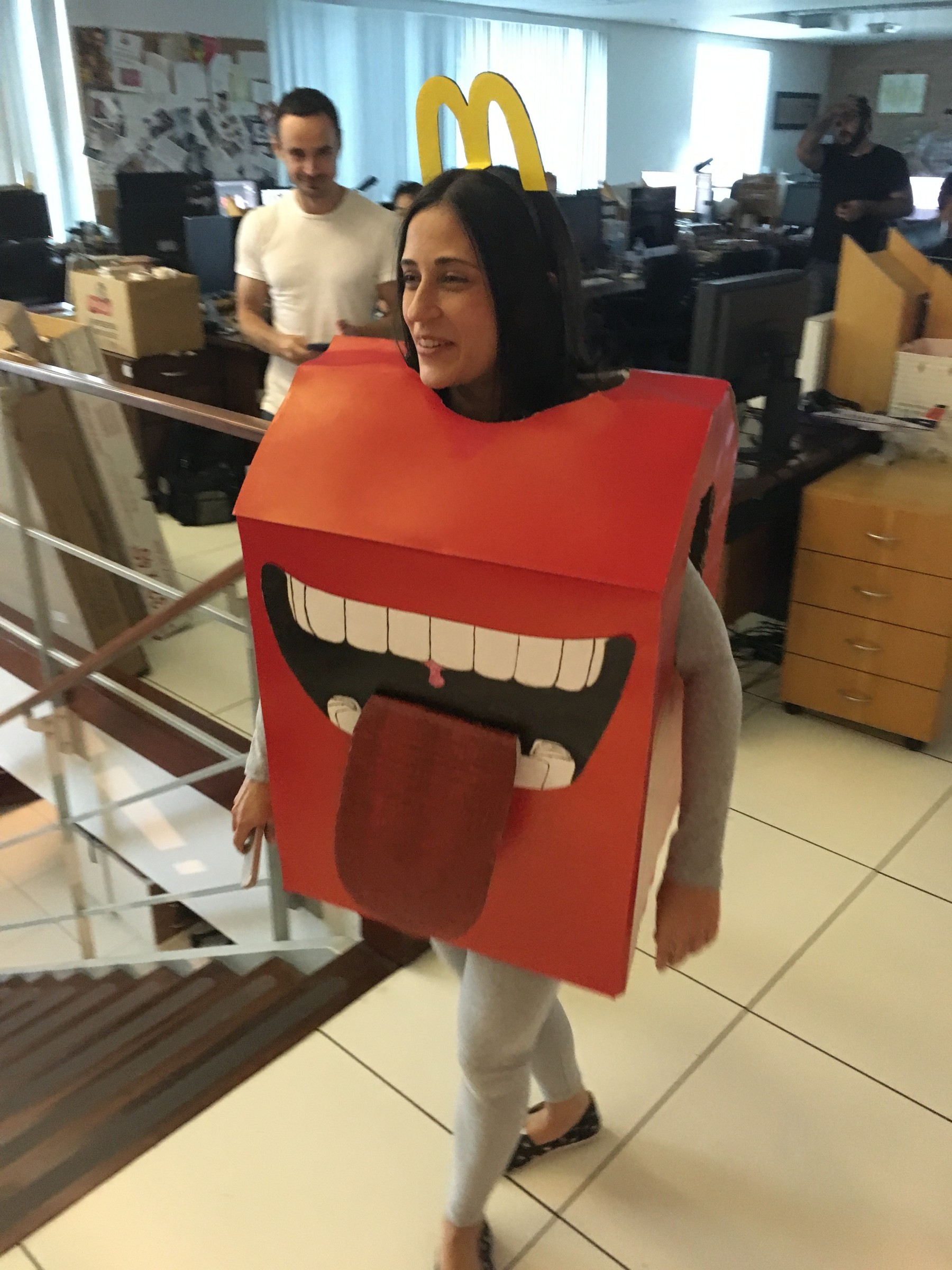
You know a character has landed when it leaves the screen. Ten years of teaching a paper box to act, and one Carnaval it walked through the studio on its own two legs, and won the costume contest.
Also built here
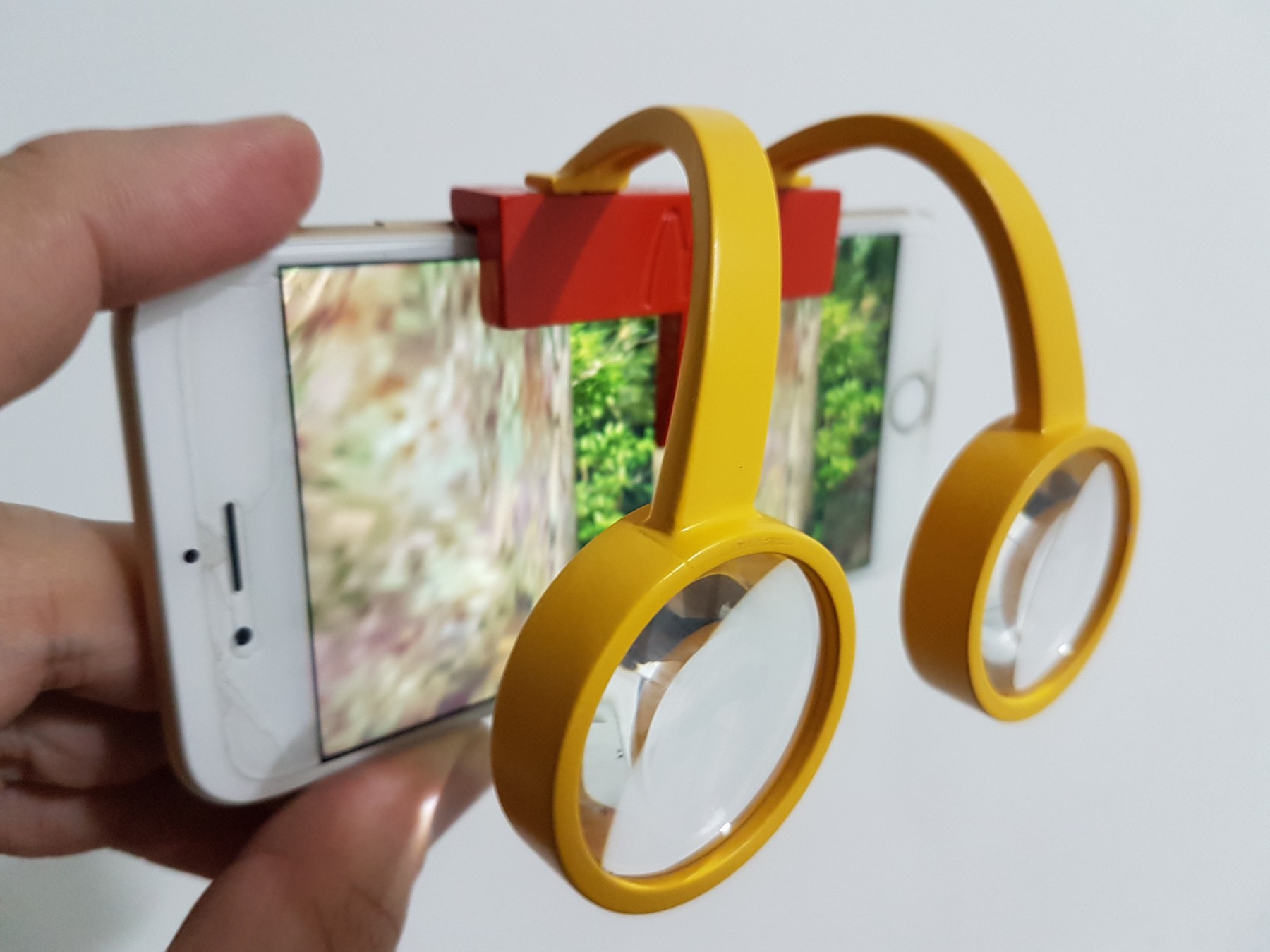
The studio’s own VR goggles, moulded in Happy Meal red and yellow
Credits
The 98 artists who carried the decade.
Client
McDonald’s
Agency
TBWA
Production company
LOBO / Vetor Zero
3D Coordination
Diego Esteves
Rick Ramos
João Márcio Gomes
Olavo Chagas
Julia Lemos
Guilherme Rizzo
Paulo Pinho
Felipe Lopes
Rafael Segnini
Rodrigo Paulicchi
Concept
Debora Matsuda
Wilson Panassi
Fernanda Oliver
Isabela Littger
Rômulo de Oliveira Pereira
Antonio Soares Neto
Vinicius Barros
Erica Nagai
Storyboard
Rafael Fernandes
Fernanda Oliver
Antonio Soares Neto
Isabela Littger
Wilson Panassi
Animation
Daniel Figueiredo
Stephanie Kajimoto
Jerome Saravas
Marcio Nicolosi
Ronaldo Brito
Raphael Vinicius Silva
Jorge Zagatto Neto
Jannaína Bonnacelli
Helio Takahashi
Alexandre Martins
Ivan Oviedo
Marco Trandafilov
Guilherme Gubert
Vitor Dinis
Leandro Martins
Daniel Alvite
Rodrigo Souza
Bruno Carias
Modeling
Diego Esteves
Natan Zuanaci
Bruno Saber
Ina Carolina
Rodrigo Reis
Guto Sposito
Luiza Takayassu
Eiti Sato
Marcell Fukuawara
Adam Pierre
Bruno Coimbra
Cintia Miura
Alessandro Barbosa
Daniel Adami
Leo Rezende
Rodolfo Araújo
Felipe Bassi
Marcel Nilo
Gabriel Lacerda
Marcel Tsuruda
Frederyco Martins
Lighting & Render
Rafael Migliorini
George Damiani
Luiz Felipe Benassi
Igor Colaiacovo
Julia Lemos
Mauricio Trivelini
Mauricio Pirillo
Thiago Peretto
Simulation
Lucas Stringhetti
Felipe Marceu
Luiz Duarte
Alexandre Yamamoto
Rogerio Miyagi
Edd Souza
Christye Lira
Rigging
Viviane Adade
Leornado Cadaval
Flávio castelo
Alexandre Marassa
Felipe Gimenes
Henrique Ribeiro
Lucas Magalhães
Matte Painting
Eduardo Schaal
Ricardo Riamonde
Montalvo Machado
Caio Bucaretti
Compositing
Narayani Andrade
Leonardo Augusto
Rafael Chiavegatti
Rodrigo Vec
José Eduardo Ambrosio
Carlos Campos
Renato Carone
Guilherme Sarinho
Diogo Girondi
Leandro Pena
More work